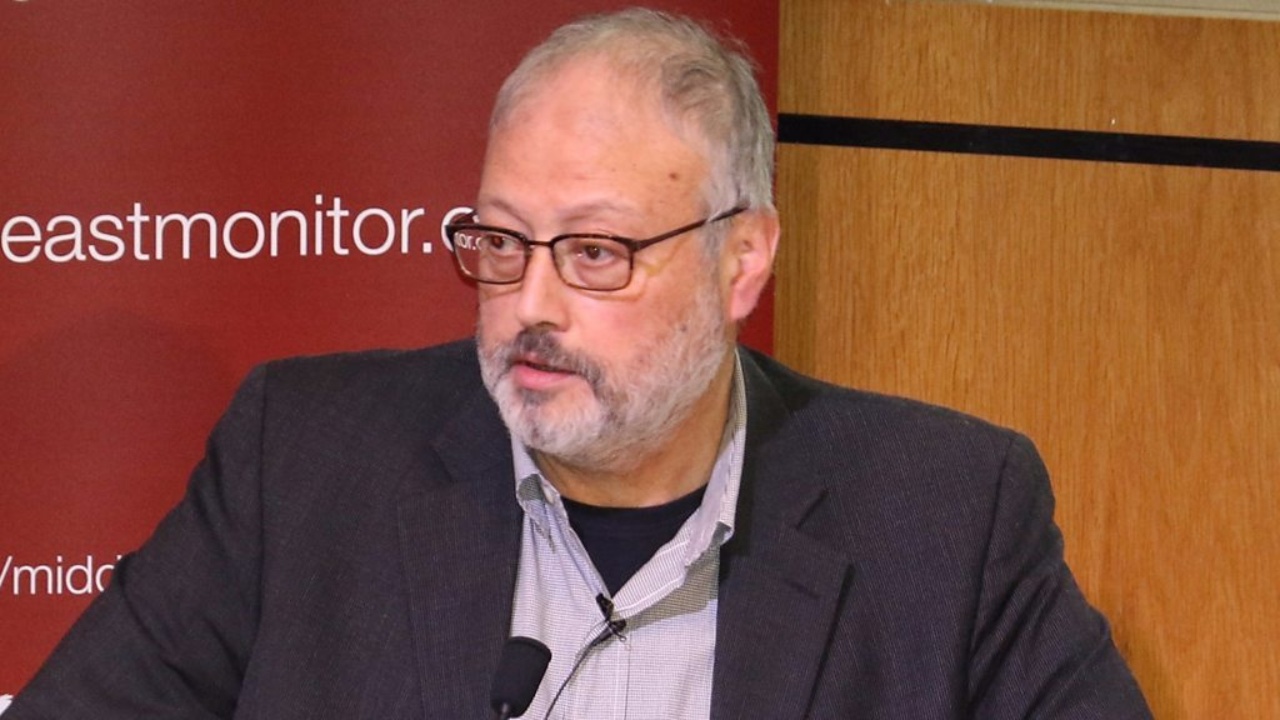
The name Jamal Khashoggi became known worldwide under a set of deeply troubling circumstances. For a man who spent his final years writing columns for one of America’s most prominent newspapers, the Washington Post, and living in the United States, the events of 2018 sent shockwaves through global media and political circles. His story is deeply intertwined with his work for American institutions and his public stance on freedom of expression, which often leads to questions about his personal status and connections.
A recurring question about his personal status is whether Jamal Khashoggi was an American citizen. The straightforward answer is that he was not a U.S. citizen. At the time of his death, Khashoggi was a legal resident of the United States. He was, and remained until his last day, a citizen of Saudi Arabia. His connection to America, however, was significant. He was a familiar voice in policy discussions, a columnist for a major American newspaper, and was in the process of building a life there. This complex relationship with the U.S.—as a resident, writer, and commentator—is what made the subsequent events a significant topic for international discourse.
You Might Like: Kevin Spacey’s Financial Freefall, Explained
From Insider to Commentator: Jamal Khashoggi’s Life and Work
To understand Khashoggi’s connections, it helps to look at his journey. His first period in the U.S. was as a student, earning a degree from Indiana State University in the early 1980s. This experience gave him a familiarity with American society that would later be evident in his writing. For decades, he was not an outsider but an insider in Saudi Arabia’s media and political circles. He served as a media adviser and was a well-known editor for various news outlets.
A turning point came in 2017. As political dynamics shifted in Saudi Arabia, Khashoggi found the atmosphere for writers increasingly restrictive. He felt he could no longer write freely. In September 2017, he made the decision to leave and reside in the United States. From his new home, he began writing a column for the Washington Post‘s global opinions section. His columns included commentary on the Saudi government and its policies, particularly regarding dissent and international conflicts. He described himself as a patriot who wanted a more open society.
Trump suggests Khashoggi had it coming: “You’re mentioning someone that was extremely controversial. A lot of people didn’t like that gentleman that you’re talking about. Whether you like him or didn’t like him, things happen. But he knew nothing about it. You don’t have to… pic.twitter.com/uhh8VjFy20
— Aaron Rupar (@atrupar) November 18, 2025
His life in the U.S. was that of an engaged writer and resident. He had secured a visa and was seeking permanent residency. Furthermore, three of his four children were American citizens, deepening his family ties to the country. He used his platform to advocate for his views on the future of his homeland from his place of residence.
More Read
Also See: Kenny Chesney: How a Single Legal Word Sparked Speculation
The Istanbul Incident and Its International Aftermath
The events of October 2, 2018, had a profound impact on his legacy. Jamal Khashoggi visited the Saudi consulate in Istanbul to obtain documents he needed for his personal life. He entered the consulate and was never seen again. What unfolded inside was later described by international investigations as a violent killing. His remains have never been found.
The aftermath involved a complex international response. Saudi Arabia initially denied any knowledge of his disappearance. However, under the weight of evidence from Turkish investigators and international pressure, the kingdom eventually stated he was killed in an unauthorized operation. This account was questioned by multiple governments and human rights organizations. A U.S. intelligence report released in 2021 concluded that the operation was approved by Saudi leadership.
The incident placed the United States and other nations in a difficult diplomatic position, testing long-standing international alliances. While U.S. intelligence agencies released their assessment, the official U.S. administration at the time expressed support for the strategic partnership with Saudi Arabia. The U.S. did impose sanctions on several Saudi officials, but the decision not to target the highest leadership was noted by various policy analysts and human rights groups.
In the years since, the quest for accountability has been a topic of international discussion. Saudi Arabia held a trial that was criticized by outside observers for its lack of transparency. Several individuals were initially sentenced, but were later pardoned. Today, Jamal Khashoggi is remembered by many as a prominent journalist whose case highlighted critical questions about press freedom and the treatment of dissenting voices on the global stage.