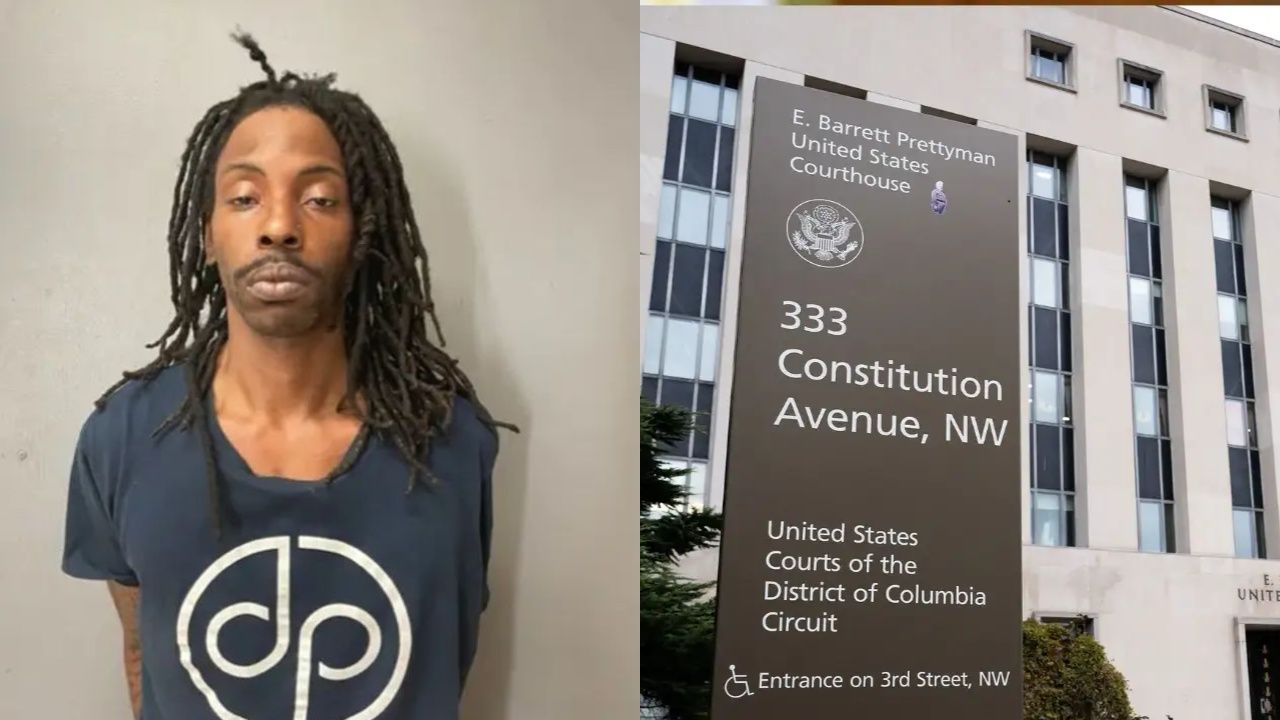

In the summer of 2026, a federal trial in Washington, D.C., took an extraordinary turn that few in the courtroom had ever witnessed. Shamell Naquan Joyner faced a 28-count superseding indictment stemming from a series of armed robberies at 7-Eleven stores and gas stations, along with carjackings, committed across the District of Columbia, Maryland, and Virginia between April and May 2023. After nearly three weeks of testimony, the jury began deliberations on July 21. What followed during those closed-door sessions would leave even a seasoned judge expressing amazement.
While examining physical exhibits recovered from a carjacked Toyota RAV4—specifically a Pittsburgh Steelers sweatshirt and a two-toned jacket allegedly worn by the perpetrator—jurors made discoveries that had eluded investigators, prosecutors, and defense attorneys alike. Neither the FBI nor the U.S. Attorney’s Office for the District of Columbia had catalogued the items. The episode raised immediate questions about evidence handling and forced the court to intervene carefully to preserve the integrity of the proceedings.
You Might Like: Who Are Kayla McBride’s Parents?
The Discovery During Deliberations
On the second day of deliberations, July 22, jurors inspecting the jacket reached into a breast pocket and found a folded piece of paper containing a white powdery substance. Some of the powder spilled slightly before they returned it to the pocket and the evidence bag. In the sweatshirt, another juror discovered a crumpled Chinese yuan banknote. The foreperson later described the finds to the court, noting the initial confusion over which garment held the currency. Judge Rudolph Contreras, who has served more than a decade on the federal bench, shared Shamell Naquan Joyner’s amazement that law enforcement had missed these items among the physical evidence recovered in May 2023.
The discoveries carried potential relevance. At trial, a 7-Eleven employee had testified that a Chinese yuan note from a study-abroad trip was stolen from his wallet during one of the robberies. A cooperating witness also described receiving drugs as payment from Joyner on the night of a gas station holdup. Yet because the yuan and the powder were never formally introduced, tested, or subjected to cross-examination, the judge instructed each juror individually that the items were not part of the admitted evidence and must be disregarded.
The official chase and arrest video the suspect Shamell Naquan Joyner.
Suspect was accused of committing an armed robbery.
This video was presented as an evidence in the trial. pic.twitter.com/1YBtN3bLkd
— Jay Roberts (@j32jam) August 10, 2026
Every juror affirmed they could set the material aside and continue deliberating impartially. Joyner’s defense filed motions for a mistrial citing exposure to extrinsic evidence; the court denied them, finding the yuan cumulative of other proof and determining that the jurors’ assurances cured any potential prejudice.
More Read
The Verdict and Its Implications
Deliberations ultimately produced a partial verdict. The jury convicted Shamell Naquan Joyner on 13 counts tied to five armed robberies and one carjacking, including an April 2023 robbery in downtown Washington and multiple May 2 incidents in Northwest Washington and Maryland. On the remaining 15 counts, the panel deadlocked, citing disagreements over the meaning of reasonable doubt and the strength of identification evidence. The U.S. Attorney’s Office noted that the convictions carry a mandatory minimum sentence of 31 years. Defense counsel had not yet filed an appeal at the time reports of the unusual episode emerged.
The episode underscored both the diligence of the jury and the fallibility of even thorough investigative processes. Clothing recovered from a vehicle linked to the crimes had been handled by multiple parties before reaching the jury room, yet the yuan note and powdery substance remained undetected until the final stage of the trial. Judge Contreras’s careful questioning of each juror and clear limiting instructions allowed the case to reach a resolution without a full mistrial.
Also See: Rhaenyra Targaryen’s Children
The partial convictions remove a defendant accused of serial armed robberies from the community while leaving open the possibility of further proceedings on the unresolved counts. The case stands as a striking reminder that physical evidence, once admitted, can still yield unexpected revelations long after investigators believe their work is complete.