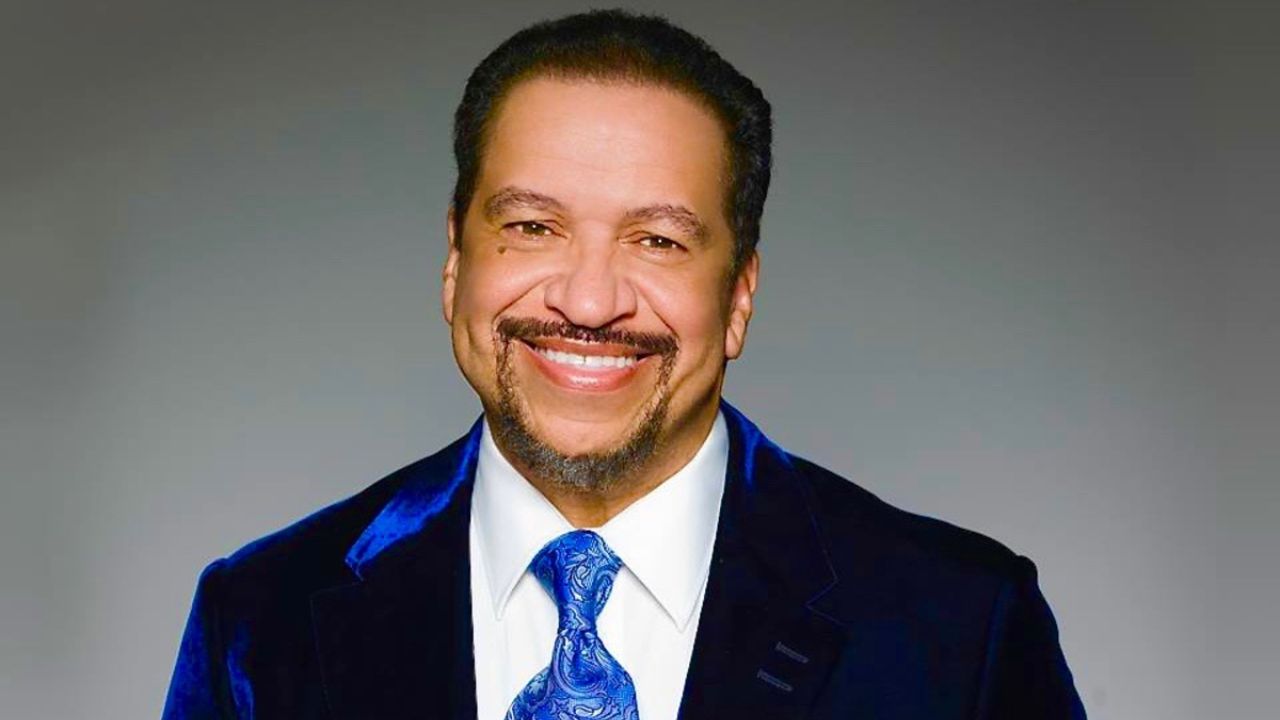

Richard Smallwood was a towering figure in gospel music, renowned for his ability to blend classical influences with soul-stirring spirituals that resonated across generations. As a composer, pianist, and arranger, he crafted anthems like “Total Praise” that became staples in churches worldwide, earning him Grammy nominations and a lasting place in the hearts of fans. His work not only elevated gospel but also bridged it with broader musical landscapes, collaborating with artists from Whitney Houston to Boyz II Men.
On December 30, 2025, the music world lost this visionary at the age of 77. Smallwood passed away in Maryland due to complications from kidney failure, as confirmed by his publicist. His death marked the end of a prolific career that spanned over four decades, leaving behind a legacy of faith-infused melodies that continue to inspire.
Early Life and Musical Beginnings
Born on November 30, 1948, in Atlanta, Georgia, Smallwood’s early years were shaped by a move to Washington, D.C., where he was raised by his mother and stepfather, a pastor at Union Temple Baptist Church. Immersed in a religious environment, his musical talents emerged remarkably young—he began playing piano at age five and composed his first piece by seven. This foundation in church music set the stage for his future innovations.

Smallwood pursued formal education at Howard University, where he studied classical piano and honed his skills in composition. In 1977, he formed the Richard Smallwood Singers, a group that quickly gained acclaim for its sophisticated arrangements and powerful performances. His early albums showcased a unique fusion of gospel’s emotional depth with classical precision, drawing from influences like Bach and Beethoven while staying true to African American spiritual traditions.
You Might Like: Isiah Whitlock Jr. Dies at 71: Inside the Actor’s $2 Million Estate
A pivotal moment came in 1972 when Smallwood survived a severe car accident that left him in a coma for four days. This brush with mortality deepened his faith and infused his music with even greater authenticity, themes of resilience and divine intervention becoming central to his work.
Legacy and Final Years
The Jackson Advocate honors the life and legacy of Richard Smallwood, a master composer whose music has been a pillar of Black faith, excellence and cultural expression. From “Total Praise” to “Center of My Joy”, Smallwood’s work transcended genre, offering spiritual grounding in pic.twitter.com/4tlxPgpQ5J
— Jackson Advocate (@JacksonAdvocate) December 31, 2025
More Read
Throughout his career, Smallwood released numerous albums, with hits like “I Love the Lord” featured in films such as The Preacher’s Wife, performed by Whitney Houston. His compositions earned multiple Stellar Awards and Dove Awards, solidifying his status as a gospel pioneer who expanded the genre’s reach. Beyond music, he served as a minister, using his platform to address mental health and spirituality, drawing from his own battles with depression.
In his later years, Smallwood continued performing and recording, though health challenges began to surface. He had been dealing with kidney issues for some time, which ultimately led to his hospitalization and placement in a nursing home. Despite these struggles, he remained active in the community, mentoring young artists and participating in gospel events.
Also See: Ginuwine’s Nine Children: Names, Ages, and Family Secrets Revealed
Smallwood’s passing on December 30, just a month after his 77th birthday, prompted tributes from across the industry, highlighting his enduring impact. His music, often described as a bridge between heaven and earth, ensures his voice will echo long after his departure. In a world craving hope, Richard Smallwood’s legacy reminds us of the power of praise to heal and unite.