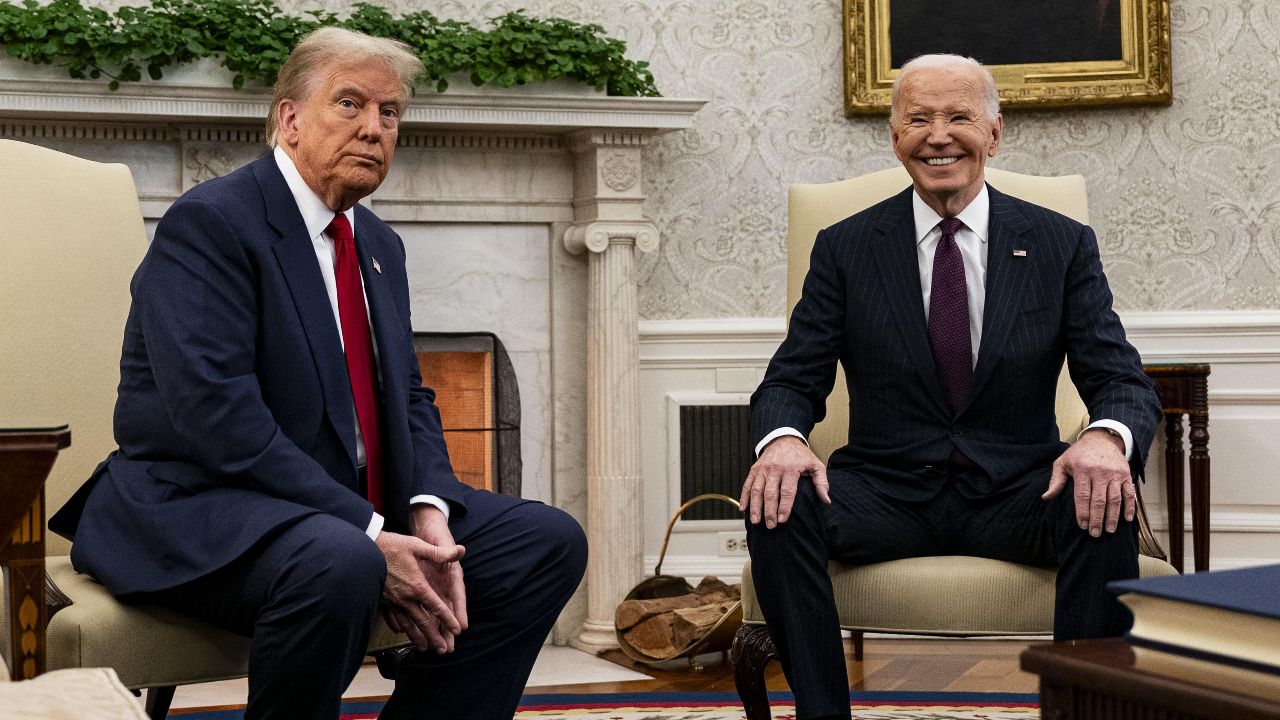

In the world of politics, where a signature can change laws and issue pardons, a mechanical device has been stirring up a major controversy. The autopen, a machine that replicates a human signature, has become the center of a fiery debate, with President Donald Trump declaring actions signed by it “void” and a focal point for his allies in Congress. This isn’t just a story about technology; it’s a drama about power, perception, and the age-old question of what makes a signature truly authentic. The conversation touches on everything from the constitutional duties of the president to pointed questions about who was really in charge during the previous administration.
At its heart, the autopen is a device designed to solve a very practical problem: the overwhelming demand for a prominent person’s signature. For decades, busy public figures have used these machines to sign everything from routine letters to important documents. The current political firestorm, however, ignites around former President Joe Biden‘s use of the autopen, particularly for pardons related to the congressional committee that investigated the January 6th Capitol riot. President Trump and his supporters claim this practice delegitimizes those actions, arguing that a machine cannot execute the sacred duties of the Oval Office.
You Might Like: Tony Germano’s Riches: Measuring a Life in Talent and Impact
What Exactly is an Autopen?
An autopen is essentially a robotic pen that mechanically reproduces a person’s signature. Think of it as a printer, but instead of using ink cartridges to form letters, it uses a real pen held by a mechanical arm to create a perfect replica of a handwritten signature. This isn’t a newfangled digital scan; it uses actual ink to sign the paper, making it difficult to distinguish from the real thing without close inspection. These machines can be programmed with multiple signatures and can tirelessly produce them at a rate of hundreds per hour, a lifesaver for any office that deals with a high volume of paperwork requiring a personalized touch.
“I am hereby cancelling all Executive Orders, and anything else that was not directly signed by Crooked Joe Biden, because the people who operated the Autopen did so illegally.” – President Donald J. Trump 🇺🇸 pic.twitter.com/D5mzIl1Cai
— The White House (@WhiteHouse) November 28, 2025
The technology isn’t new. Its earliest precursor, a device called the polygraph, was patented in 1803 and was a favorite of President Thomas Jefferson, who used it to copy his entire letters. The modern autopen, as we know it, was developed in the 1940s and quickly found a home in Washington, D.C. It’s been estimated that at one point, over 500 of these machines were in use across the government. Presidents from John F. Kennedy to Lyndon B. Johnson and Barack Obama have all utilized autopens to manage their demanding workloads. Their use has typically been an open secret, a necessary tool for modern governance.
The Biden-Tump Autopen Controversy
The controversy erupted when Trump began targeting pardons that Biden issued to protect members of the January 6th investigative committee from potential prosecution. Trump claimed on his social media platform that these pardons were “void” and “vacant” because they were signed by an autopen, asserting that Biden “did not know anything about them.” This critique has been amplified by conservative groups like the Heritage Foundation’s Oversight Project, which has raised questions about Biden’s mental fitness and the authenticity of actions carried out in his name.
More Read
The legal ground for these claims, however, appears shaky. A 2005 opinion from the Justice Department’s Office of Legal Counsel, prepared for President George W. Bush, concluded that the use of an autopen to sign legislation is constitutional. Furthermore, legal experts point out that the Constitution does not even require pardons to be in writing at all; the key factor is the president’s intent to grant clemency. Despite his strong criticism, Trump himself has admitted to using an autopen, though he claims it was “only for very unimportant papers,” such as letters to supporters. This distinction highlights the political nature of the current debate, framing Biden’s use as irresponsible while justifying his own as practical.
Also See: Ilhan Omar’s Somali Roots, Refugee Journey, and American Story
The autopen’s journey from a practical office tool to a political weapon shows how technology can become entangled in battles over power and legitimacy. While experts maintain that a signature from a machine carries the same legal weight as one done by hand if authorized by the president, the court of public opinion often sees it differently. As long as the autopen remains in the arsenal of the Oval Office, it will likely continue to be a source of fascination and, as current events prove, fierce political contention.