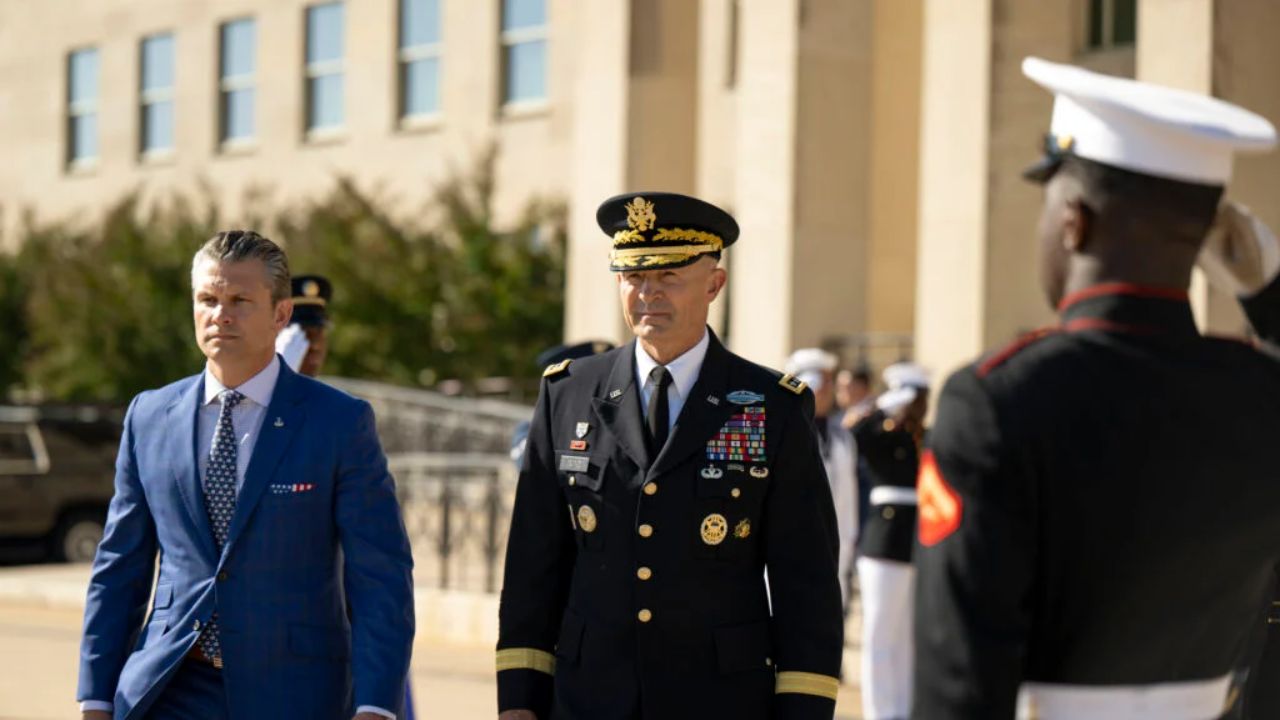

In a dramatic shake-up at the Pentagon, Defense Secretary Pete Hegseth has asked U.S. Army Chief of Staff Gen. Randy George to step down and retire immediately. The move, which took effect on April 2, 2026, surprised many inside the military establishment, especially as American forces remain engaged in operations tied to the ongoing conflict with Iran. Pentagon officials offered only a brief statement, thanking George for his decades of service and noting that it was “time for a leadership change in the Army.” Yet behind the terse wording lies a deeper story of clashing visions, personnel disputes, and a determined effort to reshape the military’s top ranks.
Gen. Randy George, a West Point graduate and combat veteran of Desert Storm, Iraq, and Afghanistan, had served as the Army’s top officer since September 2023. Appointed under the previous administration, he oversaw efforts to modernize the force amid recruiting challenges and shifting global threats. His sudden exit underscores Hegseth’s broader push to install leaders fully aligned with the current administration’s priorities. While no single incident fully explains the decision, reports point to longstanding tensions that finally boiled over.
You Might Like: Gucci Mane’s Net Worth in 2026 – From Trap House to Financial Freedom
The Core Dispute Over Promotions
At the heart of the rift was a contentious battle over senior officer promotions. Earlier this year, Hegseth intervened in an Army list of roughly 29 colonels recommended for promotion to one-star general. He singled out four officers—two Black men and two women—for removal, a highly unusual step that sparked questions among military officials about potential bias. George, along with Army Secretary Daniel P. Driscoll, pushed back. They defended the officers’ strong records and exemplary service, refusing to strike the names themselves. When George requested a meeting with Hegseth two weeks ago to address the interference and broader personnel issues, the defense secretary declined.
US Army Chief of Staff Randy George was fired by Defense Secretary Pete Hegseth, sources said, in the latest purge among the Pentagon’s most senior ranks https://t.co/k1qEHLlQbR pic.twitter.com/v5e9Nj62nB
— Reuters (@Reuters) April 3, 2026
This clash highlighted fundamental differences in how the two men viewed merit, diversity, and civilian control over military personnel decisions. George reportedly saw Hegseth’s actions as unnecessary meddling, while the secretary sought tighter alignment with administration goals. The promotion dispute was not isolated; it reflected Hegseth’s wider scrutiny of officers he viewed as tied to prior policies. Sources close to the matter insist the firing was unrelated to a recent helicopter flyover controversy involving Army aviators. Instead, it stemmed from George’s reluctance to fully embrace the rapid changes Hegseth demanded.
A Shift in Pentagon Leadership
The ouster fits a larger pattern. Since taking office, Hegseth has removed or sidelined more than a dozen senior generals and admirals, many with ties to the Biden era. George had previously served as senior military assistant to then-Defense Secretary Lloyd Austin, a connection that may have fueled skepticism. Hegseth and President Trump have repeatedly signaled a desire for military leadership that prioritizes warfighting readiness, merit-based advancement, and a leaner, more aggressive posture—particularly as the Army adapts to large-scale conflict scenarios. George’s focus on drone technology and post-counterinsurgency reforms was not necessarily at odds with that vision, but his resistance to specific directives apparently sealed his fate.
More Read
Also See: Pam Bondi Net Worth 2026: Attorney General Salary and Financial Profile
Gen. Christopher LaNeve, a trusted ally of Hegseth who recently served as his senior military assistant, is expected to step in as acting chief. The timing, during active operations, has drawn criticism from some lawmakers who argue it risks instability. Yet administration supporters view it as necessary housecleaning to ensure the Army executes the commander-in-chief’s agenda without hesitation.
Ultimately, Pete Hegseth’s decision to fire Gen. Randy George boils down to a simple but forceful principle: loyalty to the administration’s transformative goals for the armed forces. Whether this leadership overhaul strengthens the Army or creates unnecessary disruption remains to be seen. What is clear is that the Pentagon is undergoing one of its most significant realignments in years, with profound implications for America’s military posture in a volatile world.