Robert Redford’s passing on September 16, 2025, has sparked reflections on a life that was as impactful off-screen as it was on-screen. While many know him as the golden-haired star of classics like Butch Cassidy and the Sundance Kid or the director of Ordinary People, Redford was also a deeply committed activist and political thinker.
His approach to politics, however, was anything but typical. He avoided the flashy, partisan battles that many celebrities engage in, choosing instead to focus on environmentalism, independent storytelling, and issues he felt transcended party lines. His was a voice that resonated not through loud endorsements or campaign rallies, but through sustained, thoughtful action and a belief in the power of narrative to shape society.
Redford’s political journey was shaped by a unique blend of idealism and pragmatism. He was skeptical of the political machine, a sentiment perfectly captured in his 1972 film The Candidate, which he helped create. The film’s famous ending, where his winning character asks, “What do we do now?”, reflected his own cynicism about whether electoral politics could truly effect change. This skepticism led him to pursue a different path, one where he could leverage his fame to spotlight overlooked issues and empower others to tell their stories. He believed in causes, not campaigns, and his legacy is a testament to the idea that there are many ways to make a difference.
You Might Like: Who Is Candace Owens’ Husband? All About George Farmer
A Principled and Independent Approach to Activism
Unlike many of his contemporaries, Robert Redford consistently avoided being a partisan soldier. He was a lifelong environmentalist who served on the board of the Natural Resources Defense Council for five decades, fighting everything from coal plants in Utah to global climate change. His activism was hands-on and local; he once even accepted a position on the Provo Canyon Sewer District Committee, joking about the difficulty of picking a cabinet.
This down-to-earth approach defined his style. He used his star power not to run for office but to get results, like when he helped stop a power plant project by convincing 60 Minutes to do a story on it. He was deeply principled but also practical, understanding that real change often happens away from the cameras of Washington, D.C.
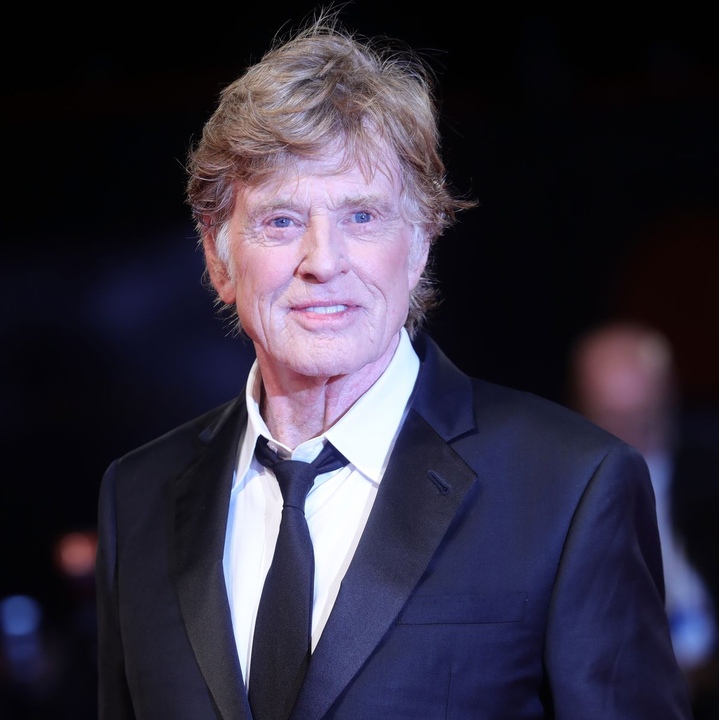
His political views or affiliation leaned left, and he supported Democratic candidates from Jimmy Carter to Joe Biden. He was a fierce critic of Donald Trump, whom he called a “dictator” with “no moral compass” and a “moral vacuum.” He felt Trump’s presidency made him feel “out of place” in his own country for the first time. However, his support wasn’t blind party loyalty. In 2015, he even admitted he was initially glad Trump entered the Republican primary, telling Larry King, “I’m glad he’s in there because him being the way he is, and saying what he says the way he says it, I think shakes things up.”
More Read
He clarified this was an appreciation of Trump as a disruptive character, not an endorsement of his policies. This nuanced take shows a man who thought independently, even about those he fundamentally disagreed with.
Also See: Who Is Max Blumenthal?
Using Storytelling as a Political Tool
For Robert Redford, politics wasn’t just about testifying on Capitol Hill; it was about controlling the narrative. He understood better than most how media and storytelling could shape public opinion and drive change. This belief was the driving force behind his founding of the Sundance Institute and Film Festival. He didn’t just want to be a star; he wanted to create a platform for independent voices that were often overlooked by mainstream Hollywood.
Sundance became a revolutionary force, launching the careers of countless filmmakers and ensuring that diverse, challenging stories could find an audience. He saw this as fundamental to democracy, once saying his responsibility was to remind artists “of the great moral promise of government and the importance of a free press.”
This philosophy was also evident in the roles he chose. In All the President’s Men, he wasn’t just playing a journalist; he was actively involved in bringing the story of Watergate to a mass audience, believing it was a crucial story for the nation to see. Decades later, in 2021, he rewatched the film and found it tragically relevant, noting, “We don’t have Nixon anymore, we have Trump.” He used his art to ask hard questions about power, corruption, and truth.
Whether through a blockbuster thriller, a quiet indie film, or the Sundance labs, Robert Redford’s greatest political act was his lifelong dedication to the power of the story, proving that changing the narrative can be the first step toward changing the world.