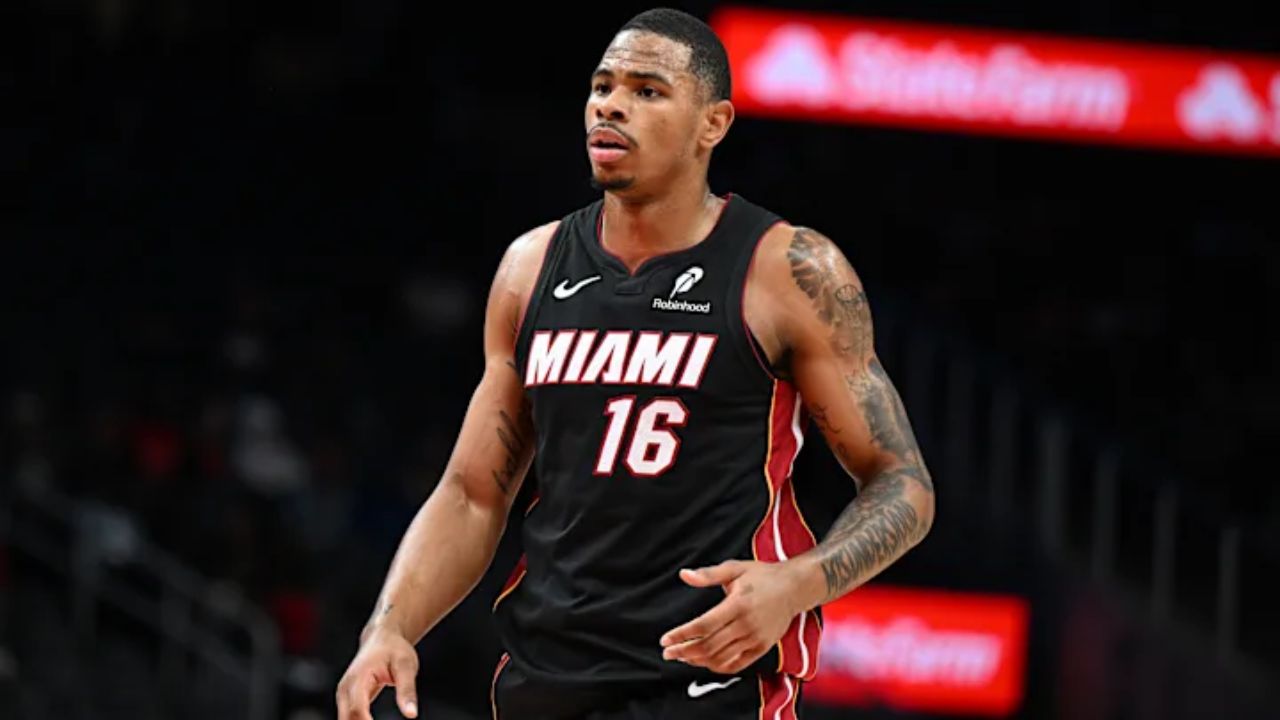

Keshad Johnson, the dynamic forward for the Miami Heat, has carved out a name for himself in the NBA through sheer grit and talent. Yet, behind his on-court prowess lies a deeply personal story rooted in family bonds that have been tested by hardship and strengthened by unwavering love. Born in 2001 in the vibrant yet challenging streets of West Oakland, California, Johnson’s journey reflects the enduring spirit of a close-knit family that refused to be defined by adversity.
From his early days navigating the Lower Bottoms neighborhood to his rise as the first in his family to graduate college, Johnson’s path has been illuminated by the sacrifices and support of those closest to him. His parents and siblings have not only provided emotional anchors but also instilled the values of perseverance and community that continue to fuel his ambitions. This family dynamic, marked by both triumph and tragedy, offers a profound glimpse into the forces that molded one of basketball’s most inspiring figures.
You Might Like: Baird Greene’s Tucson Home Emerges in Nancy Guthrie Disappearance Probe
Parents: Pillars of Guidance and Sacrifice
Kenny Johnson Sr. and his wife have been the steadfast foundation of Keshad Johnson’s life, offering guidance through the highs and lows of his athletic career. As a father, Kenny Sr. embodied quiet strength, particularly during the family’s darkest moments. He was there holding his son’s hand in the hospital after a devastating shooting, and later advocated fiercely for justice in court, highlighting the delays in emergency response that compounded their pain.
The mother, who faced her own early challenges—including dropping out of high school at 15 after becoming pregnant—worked tirelessly to keep the family afloat in a tough socioeconomic environment. Despite limited formal education herself, she and Kenny Sr. prioritized their children’s futures, encouraging them to pursue opportunities beyond what they had known.
Keshad Johnson was on FaceTime with his Mom and Dad after winning the Dunk Contest:
“Baby, I wanna cry right now.”
— Mink Flow (@currypistonn) February 15, 2026
Together, the parents moved the family to the safer San Leandro area after tragedy struck, ensuring their children could thrive away from the immediate dangers of West Oakland. Their influence is evident in Keshad’s academic achievements and his relentless work ethic, as he often credits them for the “chip on his shoulder” that drives him to succeed where others in the family could not.
More Read
Siblings, Tragedy, and African American Heritage
Keshad Johnson is the youngest of six siblings—four brothers and one sister—growing up in a household filled with competition, laughter, and shared dreams. Among them, his older brother Kenny Johnson Jr., just four years his senior, has been a profound source of inspiration. A talented athlete in basketball and football, Kenny Jr. was only 14 when he was shot 10 times in a gang-related incident in November 2011, an unprovoked attack in the wrong place at the wrong time. The bullet that grazed his spine left him paralyzed from the waist down, shattering the family’s world and forcing a hasty relocation from their West Oakland home.
Yet, Kenny Jr.’s resilience became Keshad’s fuel. The younger brother adopted his sibling’s No. 16 jersey early on, later switching to No. 0 to honor Oakland itself, and has repeatedly described himself as living out the dreams Kenny could not fully chase. Their bond remains unbreakable, with Kenny attending nearly every college game and the pair sharing the NBA spotlight as Keshad entered the league undrafted but determined.
Also See: Nancy Guthrie Missing: Why Investigators Can’t Stop Talking About This $15 Backpack
The family also includes sister Cassandra, whose son Ralph—Keshad’s nephew—adds another layer of joy and motivation to the tight support network. As African Americans with deep roots in Oakland’s Black community, the Johnsons carry a heritage shaped by resilience amid systemic challenges. This ethnicity and cultural background have profoundly influenced Keshad, instilling a sense of pride in his “Oakland tough” identity while navigating the broader struggles faced by young Black men in America.
Through it all, the Johnson family’s story underscores how tragedy can forge unbreakable unity. Keshad Johnson’s success is not solitary; it is a collective victory, honoring his parents’ sacrifices, his siblings’ enduring presence, and the rich African American legacy that propels him forward. In every dunk and defensive stand, echoes of West Oakland and the love that binds them resonate.