
Nemesio Oseguera Cervantes, better known as El Mencho, was one of Mexico’s most notorious drug lords, leading the Jalisco New Generation Cartel (CJNG) for over a decade. His death on February 22, 2026, marked a significant blow to organized crime in Mexico, occurring during a military operation in Tapalpa, Jalisco. Wounded in a fierce clash with Mexican forces, El Mencho succumbed to his injuries while being transported to Mexico City, sparking widespread violence across multiple states as his loyalists retaliated.
The operation that led to his demise was hailed as a major victory for Mexican authorities, especially amid pressure from the U.S. government to curb the flow of drugs like fentanyl and methamphetamine. El Mencho, aged 59 at the time of his death, had evaded capture for years, building an empire that rivaled the infamous Sinaloa Cartel. His passing not only triggered immediate chaos— including burned vehicles, blocked highways, and gunfights—but also raised questions about the vast wealth he amassed through illicit activities.
The Rise of a Cartel Empire
Born in 1966 in a rural area of Michoacán, El Mencho’s journey from a small-time avocado farmer to a global drug kingpin was fueled by ambition and ruthlessness. After serving time in U.S. prisons for drug offenses in the 1990s, he returned to Mexico and co-founded the CJNG around 2010. Under his leadership, the cartel expanded rapidly, diversifying into synthetic drugs like fentanyl, which proved highly profitable due to low production costs and high demand in North America.
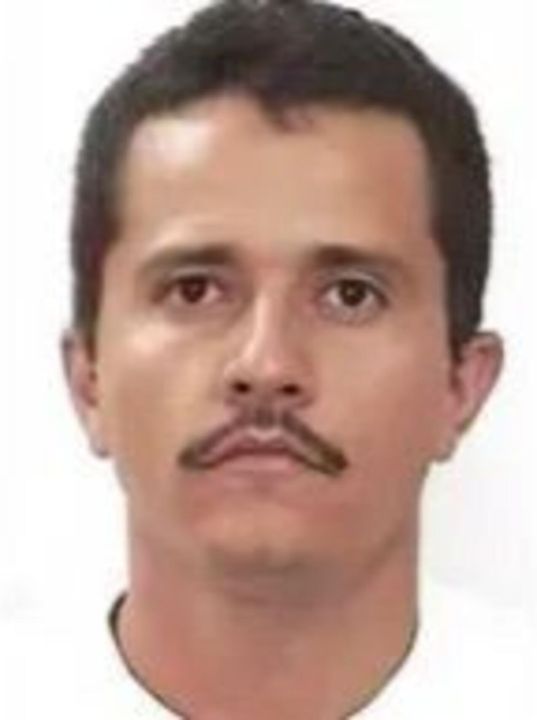
El Mencho’s organization became infamous for its brutality, including public executions and attacks on law enforcement. The CJNG controlled key ports and trafficking routes, smuggling billions in narcotics annually. Intelligence reports suggest the cartel generated over $8 billion yearly from cocaine alone, plus $4.6 billion from methamphetamine, establishing it as one of the world’s most powerful criminal networks. His ability to launder money through legitimate businesses, such as restaurants, real estate, and even a tequila brand, allowed the empire to grow unchecked for years.
You Might Like: Johnny Gaudreau’s Legacy: Meet Noa, Johnny Jr., and Carter
Unraveling the Fortune
Estimating El Mencho’s personal net worth at the time of his death is challenging due to the clandestine nature of his operations, but U.S. Drug Enforcement Administration (DEA) assessments provide key insights. In 2019, DEA officials pegged his wealth at a minimum of $500 million, with potential to exceed $1 billion, based on seized assets and trafficking profits. This figure likely grew in subsequent years as the CJNG dominated the fentanyl trade.
Broader cartel assets under his control were even more staggering. Mexican government estimates placed the CJNG’s total holdings at around $50 billion, encompassing cash, properties, and investments worldwide. El Mencho’s family, including his wife Rosalinda González Valencia and children, played roles in managing these resources, with some assets tied to money-laundering schemes. Despite the opulence—luxury cabins, exotic animals, and gold bars— he maintained a low profile, avoiding the flashy lifestyle of predecessors like El Chapo.
More Read
In death, El Mencho leaves behind a fractured legacy. While his elimination may disrupt CJNG operations temporarily, the immense wealth he built underscores the enduring challenge of dismantling such empires. Authorities continue to pursue his assets, but the true extent of his fortune may never be fully uncovered.