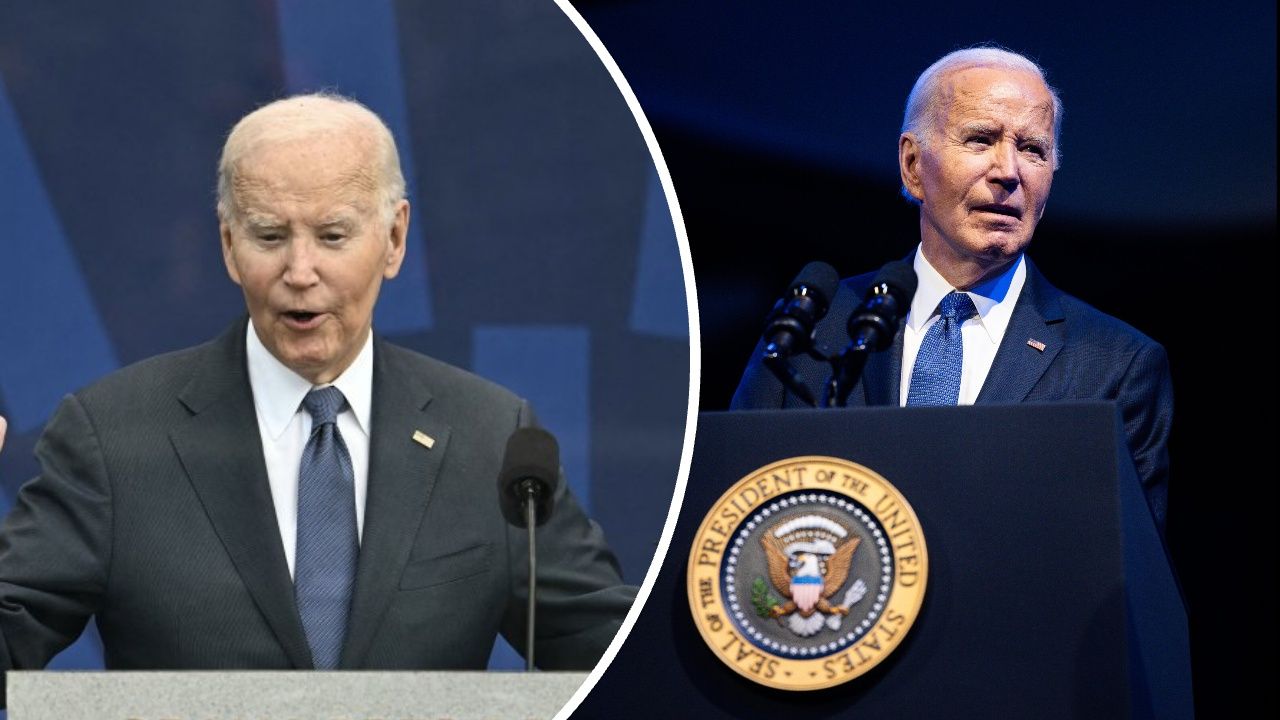

A federal judge has dealt a significant blow to former President Joe Biden, ruling that the Justice Department may release nearly decade-old audio recordings of his conversations with a ghostwriter to the conservative Heritage Foundation. The decision, handed down on Friday by U.S. District Judge Dabney Friedrich, rejected Biden’s attempt to block the disclosure on privacy grounds, finding that the public’s right to understand the handling of a major classified-documents investigation outweighs the former president’s personal interests.
The recordings, which capture hours of conversations Biden had in 2017 with author Mark Zwonitzer for a memoir about his late son Beau, were obtained by the Justice Department during Special Counsel Robert Hur’s 2023 investigation. Although Hur ultimately declined to bring charges against the then-president, his investigation concluded that Biden had shared classified material with Zwonitzer. The case now appears headed for appeal, with Biden’s legal team already filing for an injunction to pause the ruling.
You Might Like: Trinity Rodman and Ben Shelton: Inside the 2026 Sports Power Romance
The Legal Battle and the Judge’s Reasoning
The dispute traces back to a Freedom of Information Act request filed by the Heritage Foundation, a conservative think tank, seeking access to materials from Hur’s investigation. Initially, the Biden administration’s Justice Department refused to release the audio and transcripts, vigorously defending them under FOIA privacy exemptions. However, following the presidential transition, the Trump administration’s DOJ reversed course and authorized their release with redactions. That decision prompted Biden, acting as a private citizen, to sue the agency in May to block the transmission.
In a 26-page opinion, Judge Friedrich, a Trump appointee to the U.S. District Court for the District of Columbia, acknowledged that Biden’s privacy concerns were “substantial”. Biden’s legal team had argued that releasing the tapes would constitute an “unwarranted invasion of privacy,” noting the conversations took place in his private home and touched on deeply personal topics, including the death of his son. However, the judge found that these concerns were significantly mitigated by the extensive redactions the DOJ had already applied to the materials. Crucially, Friedrich personally reviewed the redacted versions and determined they “contain no mention of highly sensitive topics like illness or death, nor do they mention any non-public persons, including members of Biden’s family”.
Weighing the remaining privacy interests against the public’s right to know, Friedrich concluded that the harm to Biden’s “diminished privacy interest” was outweighed by the public interest in the Zwonitzer materials. She anchored her reasoning in FOIA’s “policy of broad disclosure of Government documents in order to ensure an informed citizenry, vital to the functioning of a democratic society”. The judge underscored that the material is central to understanding how prosecutors handled a major investigation involving a former president.
Also See: Who Is Malia Obama’s Boyfriend in 2026? The Truth About Her Dating Status
Political Fallout and What Happens Next
The ruling has intensified an already fraught political debate. Republicans in Congress had long demanded the recordings after Hur declined to file charges against Biden, and the former president’s Democratic administration had refused to turn them over, leading congressional Republicans to hold then-Attorney General Merrick Garland in contempt. The Heritage Foundation contends the audio files contain proof that Biden mishandled classified information—a claim Biden has emphatically denied.
More Read
With Biden’s team already pursuing an injunction pending appeal, the fight over these recordings is far from over. The judge has effectively put her ruling on hold for up to three weeks to allow for that appeal. For now, however, the decision represents a major setback for the former president and a victory for transparency advocates who argue that the public has a right to scrutinise the evidence behind a special counsel’s decision not to charge a sitting president. The case highlights the enduring tension between personal privacy and governmental accountability, and its outcome could set a precedent for how future administrations handle similar requests for sensitive communications.