
David Rosen, the visionary American businessman who co-founded Sega and helped shape the modern video game industry, passed away on December 25, 2025, at the age of 95. His death, which occurred peacefully at his home in the Hollywood Hills of Los Angeles surrounded by family, came as a poignant close to a life dedicated to innovation in entertainment. Rosen’s contributions extended from post-war Japan to global arcade dominance, influencing generations of gamers and entrepreneurs alike.
Born in Brooklyn, New York, on January 22, 1930, Rosen’s path to fortune began after his service in the U.S. Air Force during the Korean War. Stationed in Japan, he stayed on to launch Rosen Enterprises in 1954, initially focusing on art exports and photo booths before pivoting to coin-operated amusement machines. This shift laid the groundwork for his wealth, as he navigated mergers and expansions that turned a modest venture into a gaming powerhouse.
You Might Like: Marco Rubio: The Cuban-American Who Became America’s Top Diplomat
Building the Sega Empire
Rosen’s entrepreneurial spirit flourished in Japan’s burgeoning post-war economy. By 1957, his company imported U.S. arcade games, capitalizing on high demand and generating substantial revenues. In 1965, he merged Rosen Enterprises with Nihon Goraku Bussan, forming Sega Enterprises Ltd., where he served as chairman and CEO. Under his leadership, Sega produced hits like Periscope in 1966, which pioneered quarter-play mechanics and boosted exports.
The 1969 sale of Sega to Gulf+Western Industries marked a major financial milestone for Rosen, reportedly making him a millionaire through equity and proceeds. He remained at the helm, overseeing growth as Sega became a Paramount Pictures subsidiary. By the early 1980s, company revenues exceeded $215 million annually, reflecting Rosen’s strategic acumen in arcade and early console markets.
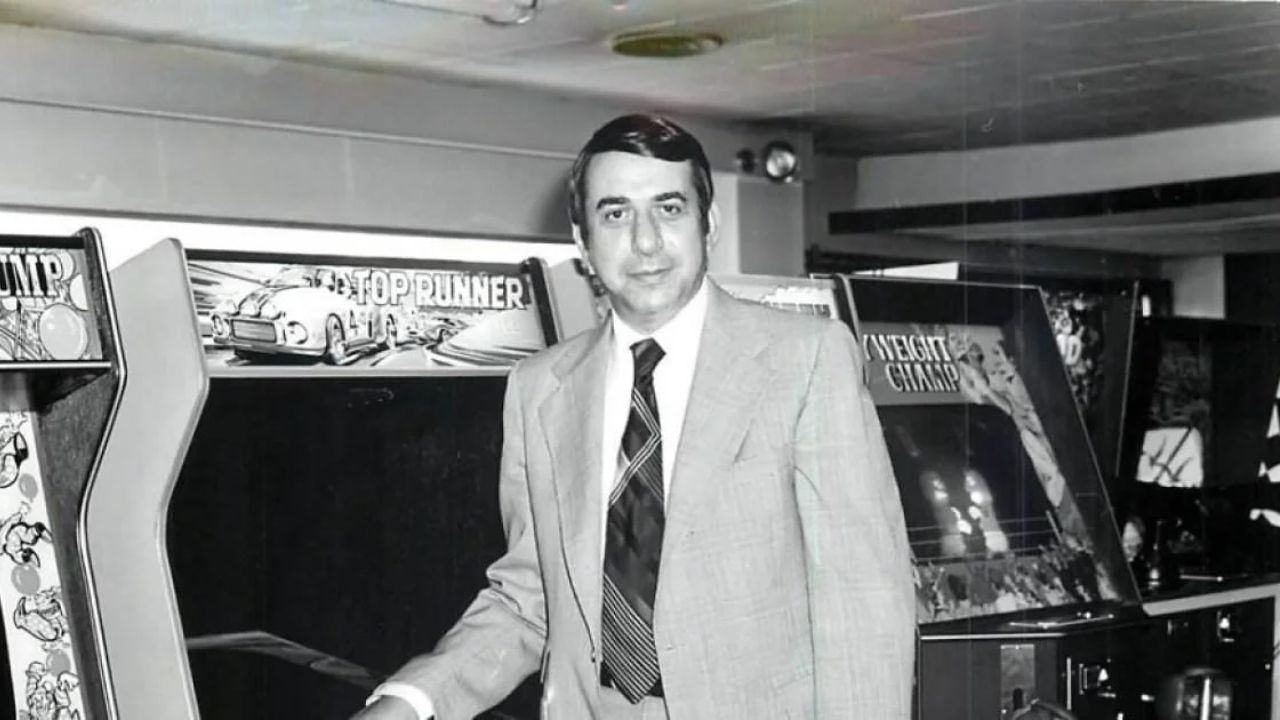
In 1984, amid Gulf+Western’s divestitures following the death of its founder, Rosen co-led a $38 million buyout of Sega’s Japanese assets alongside Hayao Nakayama and Isao Okawa. Relocating to Los Angeles, he established Sega of America, guiding international operations and console efforts through the Mega Drive era. Rosen retired in 1996 due to health concerns, but his equity stakes and consulting roles continued to contribute to his personal finances.
Also See: Nick Shirley: Ethnicity, Utah Upbringing, and His Parents’ Legal Shadows
Net Worth and Lasting Impact
At the time of his death, David Rosen’s net worth was not publicly disclosed, as he maintained a low profile compared to modern tech moguls. Estimates, based on historical company valuations and his pivotal roles in sales and buyouts, place it around $75 million. This figure accounts for inflation-adjusted gains from the 1969 Gulf+Western deal, shares from the 1984 buyout, and residuals from Sega’s growth into a multi-billion-dollar entity before his retirement. His Hollywood Hills residence and induction into industry halls of fame underscore a comfortable, affluent life built on gaming innovation.
More Read
Sega co-founder David Rosen has died, aged 95
Described as a “founding father” of the Japanese arcade scene, his family confirmed he died on Dec 25th pic.twitter.com/DBHsQlVaJG
— Dexerto (@Dexerto) January 5, 2026
Rosen’s legacy transcends wealth; he co-founded the Japan Amusement Association and transformed arcades into a global phenomenon. Though Sega evolved under new ownership, his foundational work inspired icons like Sonic the Hedgehog and competitive console wars. In death, Rosen leaves a testament to American ingenuity abroad, proving that a veteran’s post-war hustle could redefine entertainment worldwide. His story reminds us that true fortune lies in enduring impact.