
D’Angelo‘s net worth was estimated to be around $1 million at the time of his passing in October 2025. This figure offers a glimpse into the finances of an artist whose cultural impact vastly outweighed his commercial earnings. While he was a Grammy-winning icon who helped define the neo-soul movement, his financial standing was shaped by a career marked by extended hiatuses and personal struggles, limiting his commercial output compared to his peers.
The news of D’Angelo’s finances came amid a great loss for the music world. The singer, born Michael Eugene Archer, passed away on October 14, 2025, at the age of 51 after a private and courageous battle with cancer. His family confirmed his peaceful passing, stating, “The shining star of our family has dimmed his light for us in this life.” Fans and fellow musicians alike were shocked by the news, and tributes poured in from across the globe, mourning the loss of a “revolutionary soul” and a “true craftsman of emotion and groove.”
A Legacy Forged in Three Masterpiece Albums
D’Angelo’s financial story is inextricably linked to his artistic journey, which was built on a foundation of critical acclaim rather than constant commercial production. His wealth was primarily accumulated through record sales, live performances, songwriting royalties, and music streaming from a relatively small but profoundly influential catalog of work. He wasn’t a frequent hitmaker; instead, his fortune was secured through three landmark studio albums that left an indelible mark on R&B.
You Might Like: A Marine’s Sacrifice: Parents Detained and Deported
His journey to fame began with the 1995 debut Brown Sugar, a platinum-selling album that seamlessly blended old-school soul with new-school R&B and effectively shaped the sound of the burgeoning neo-soul movement. He then followed up with 2000’s Voodoo, which debuted at number one on the Billboard 200 and earned him two Grammy Awards, solidifying his status as a musical innovator.
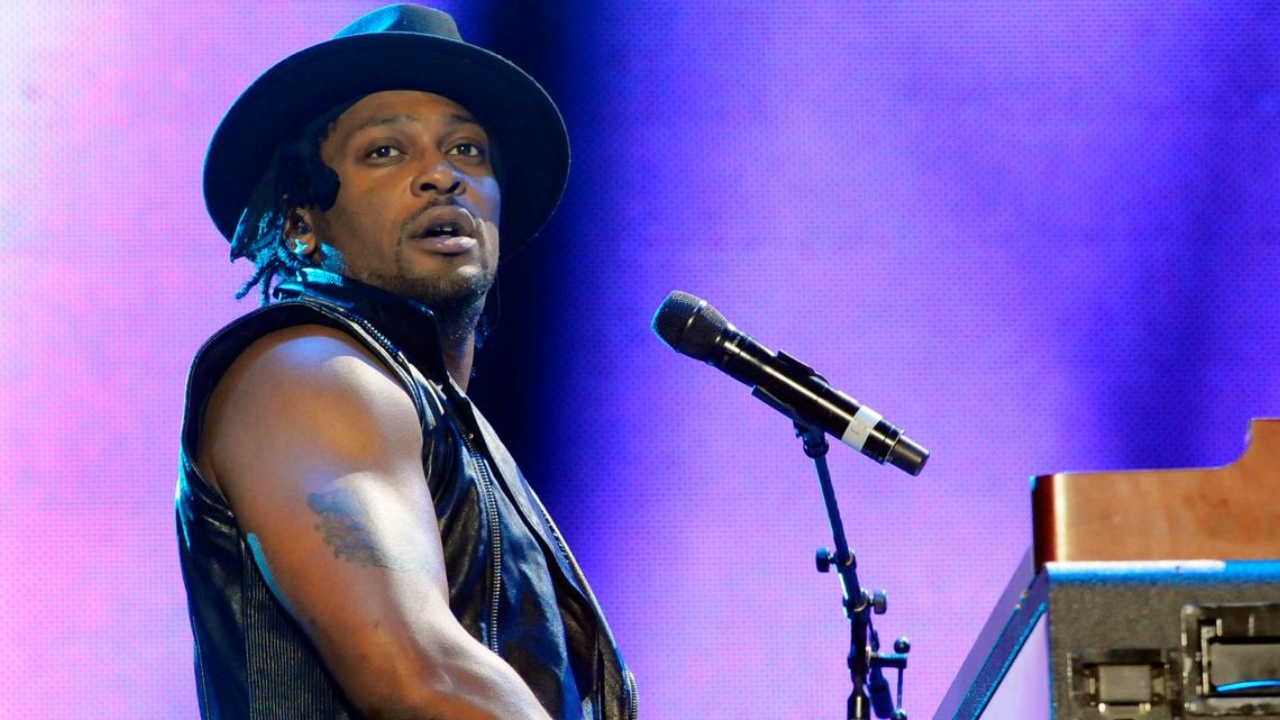
After stepping away from the spotlight for over a decade, a period during which he faced well-documented personal struggles, he made a triumphant return in 2014 with the politically charged Black Messiah, which was hailed by critics as a comeback masterpiece . These three works, though few in number, continued to generate royalties and cement his legacy long after their release.
Also See: Doug Lebda’s Financial Playbook in 2025
The Reality of an Artist’s Finances
So, why was the net worth of such a revered figure considered modest? Industry insiders noted that D’Angelo’s selective approach to touring and the extended breaks he took between albums naturally limited his earning potential. Unlike artists who constantly release new material or embark on large-scale world tours, D’Angelo prioritized his art and personal well-being over commercial saturation. Furthermore, his battles with addiction throughout his life were reported to have interfered with his career trajectory, keeping him away from the studio and the stage for years at a time.
More Read
Despite the financial figures, his true value to the culture is immeasurable. D’Angelo’s influence is woven through the DNA of contemporary R&B and soul, with modern artists like The Weeknd, Bruno Mars, Frank Ocean, and Anderson .Paak drawing heavily from his stylistic blueprint. He was an artist’s artist, proving that impact isn’t measured in dollars alone. His commitment to musical truth and his resistance to industry pressures defined a career that, while not always financially lucrative, gave everything to the craft. As one widely shared fan tribute perfectly captured, “He didn’t just make songs, he built sanctuaries.”