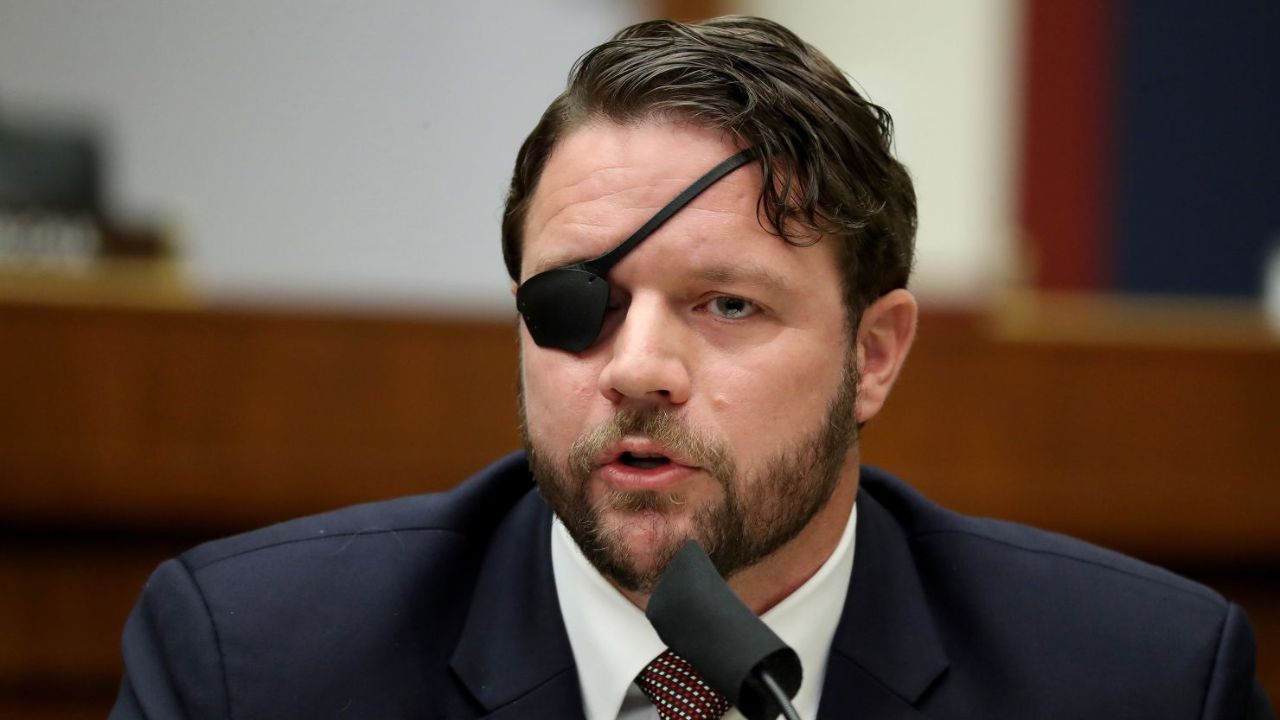

U.S. Representative Dan Crenshaw, the Republican congressman from Texas’s Second District and a former Navy SEAL who lost an eye in combat in Afghanistan, has become one of the most outspoken defenders of Israel on Capitol Hill. His military background shapes a no-nonsense approach to foreign policy, where he views the U.S.-Israel alliance as vital for American security and regional stability. Crenshaw’s consistent advocacy often sparks debate, especially when tied to questions of his own religion and ethnicity.
Though he is not Jewish by faith or upbringing, Crenshaw’s personal background frequently enters discussions about his pro-Israel positions. As a Christian with diverse European roots that include a small measure of Ashkenazi Jewish ancestry, he navigates identity and policy in ways that reflect broader American conversations on heritage, belief, and geopolitics. His story illustrates how individual faith and distant ethnic threads can inform strong international stances without defining them.
Religion and Ethnic Background
Dan Crenshaw identifies as a Methodist Christian, a Protestant denomination that emphasizes personal faith and community service. He has openly affirmed his belief in Jesus Christ as the Son of God, most notably pushing back against critics in 2022 who questioned remarks from his podcast Hold These Truths. In a heated exchange, he declared, “Don’t question my faith,” clarifying any misunderstanding and reinforcing his Christian convictions. While some opponents have portrayed him as insufficiently devout, Crenshaw maintains that his beliefs guide his moral framework, including views on life, liberty, and global justice.
Ethnically, the Texas lawmaker traces his lineage through a blend of German, Austrian, English, and Scots-Irish/Northern Irish roots. Genealogical sources indicate he carries approximately one-eighth Ashkenazi Jewish ancestry from distant family lines, a fractional heritage common in many Americans of European descent but not one that shapes his religious practice or self-identity.

Born in Aberdeen, Scotland, to American parents and raised in Katy, Texas—along with stints in Ecuador and Colombia due to his father’s petroleum engineering career—Crenshaw embodies a classic melting-pot American story. He remains a proud sixth-generation Texan, fluent in Spanish, yet his primary cultural and religious anchor is Christianity, not Judaism. This nuanced background adds layers to public perceptions of his policy choices, particularly on Middle East issues.
Commitment to Israel
Dan Crenshaw’s support for Israel stands firm and principled, rooted in strategic necessity rather than personal ethnic ties. He has voted repeatedly for military assistance to the Jewish state, including aid packages following the October 2023 Hamas attacks, and has received substantial backing from pro-Israel organizations such as AIPAC. In speeches and interviews, he portrays Israel as a frontline ally against Iranian aggression and radical Islamist terrorism, arguing that a secure Israel benefits not only the region but the entire free world. He has described Israeli actions against threats like Hamas and Hezbollah as serving broader global interests, once noting that Israel often stands between Iran and further escalation toward the United States.
More Read
This stance has drawn fire from unexpected quarters. Far-right agitators known as Groypers have heckled Crenshaw at events, accusing him of undue loyalty to Israel despite his Christian faith and minimal Jewish ancestry—tactics he dismisses as rooted in anti-Semitism rather than legitimate policy critique. At the same time, his positions resonate with many evangelical Christians who see biblical significance in supporting the Holy Land, though Crenshaw frames his advocacy in secular terms of democracy, counterterrorism, and shared values. He opposes isolationist pulls within his own party and warns that weakening Israel would embolden America’s adversaries.
You Might Like: Steve Toth’s 40+ Year Marriage and Thriving Family
In a deeply divided political landscape, Dan Crenshaw demonstrates how a lawmaker’s Christian faith, mixed European ethnicity, and distant Jewish heritage can converge into resolute internationalism. His record underscores that support for Israel need not stem from religious or ethnic kinship alone but from a clear-eyed assessment of threats and alliances. As conflicts in the Middle East persist, Crenshaw’s voice remains a steady call for strength and partnership, reflecting both his personal journey and the enduring priorities of U.S. conservatism.