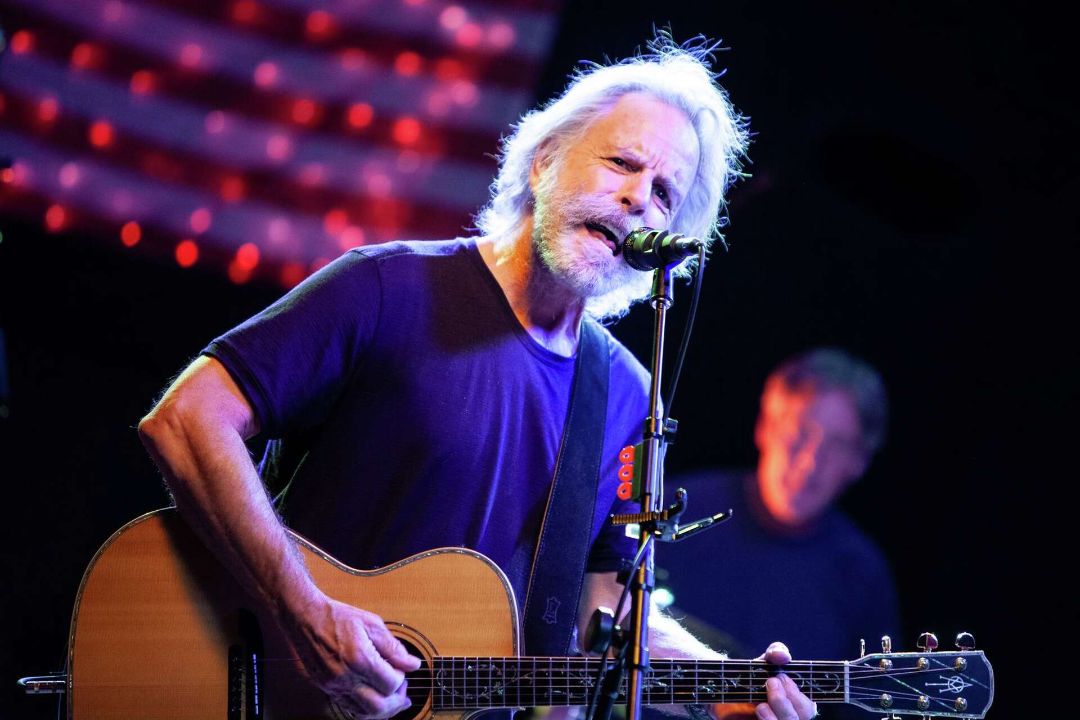

Bob Weir, the iconic guitarist and co-founder of the Grateful Dead, left an indelible mark on the world of rock music before his death at the age of 78. Known for his rhythmic guitar style and soulful vocals, Weir helped shape the psychedelic sound that defined a generation, blending rock, folk, and improvisational jams into something timeless. His passing was announced by his family on January 10, 2026, sending shockwaves through the music community and prompting tributes from fans and fellow artists alike.
According to the family’s heartfelt statement, Weir died peacefully at home, surrounded by loved ones, following a valiant fight against health challenges that had emerged in recent months. He had been diagnosed with cancer in July 2025 and underwent treatment, emerging victorious against the disease itself. However, complications arose, and he ultimately succumbed to underlying lung issues that proved too severe to overcome. This revelation highlighted the fragility of even the most enduring spirits in the face of unforeseen medical hurdles.
You Might Like: MrBeast Just Became a Billionaire at 27
A Legendary Career in Music
Bob Weir’s journey began in San Francisco during the 1960s counterculture movement, where he joined forces with Jerry Garcia, Phil Lesh, and others to form the Grateful Dead. At just 16 years old when the band started, Weir brought a youthful energy and innovative approach to rhythm guitar that complemented Garcia’s lead work perfectly. Hits like “Truckin'” and “Sugar Magnolia,” which Weir co-wrote and often sang, became anthems for the band’s devoted followers, known as Deadheads.
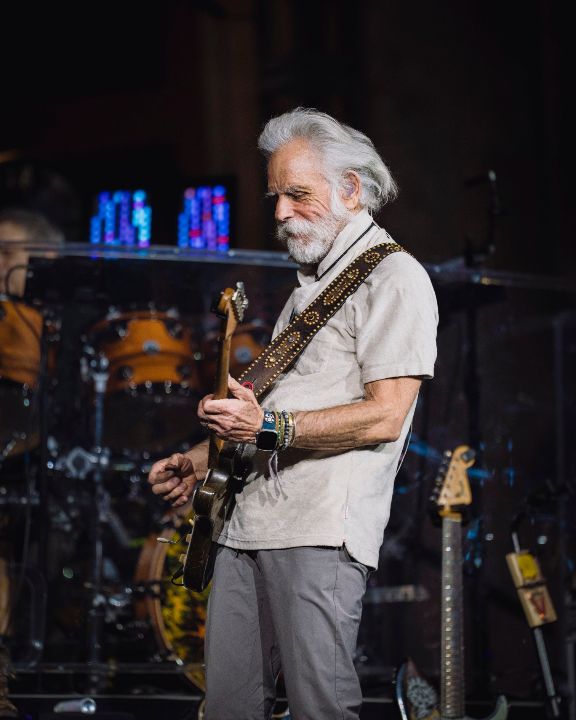
Over the decades, the Grateful Dead evolved from underground sensations to cultural icons, famous for their marathon live performances that could stretch for hours with extended improvisations. After Garcia’s death in 1995, Weir carried the torch forward, forming groups like RatDog, Furthur, and Dead & Company with surviving members and new collaborators such as John Mayer.
His commitment to touring never waned; even in his later years, Weir performed with a passion that inspired younger musicians and kept the jam-band scene alive. Beyond the stage, Weir explored solo projects and collaborations, releasing albums that showcased his storytelling prowess and love for American roots music.
Health Battles and Final Moments
It is with profound sadness that we share the passing of Bobby Weir. We send him off the way he sent so many of us on our way: with a farewell that isn’t an ending, but a blessing. A reward for a life worth livin’. https://t.co/2qdBbh80v1
📸 Chloe Weir pic.twitter.com/rXsHZ4KGlr
— Bobby Weir (@BobWeir) January 10, 2026
More Read
In the summer of 2025, Bob Weir faced a daunting diagnosis of cancer, which he confronted with the same resilience that defined his career. He began treatment shortly after and managed to return to performing, including a memorable three-night stint in his hometown at Golden Gate Park to celebrate 60 years in music. Family and friends noted his determination, describing how he “beat cancer as only Bobby could,” a testament to his fighting spirit.
Despite this triumph, underlying lung problems persisted, likely exacerbated by years of life on the road and the toll of aging. These issues, which had not been publicly detailed before, ultimately led to his decline. Weir’s family emphasized that his final months were filled with reflection and joy, surrounded by the sea of support from those who cherished him. His passing marks the end of an era, but his music ensures his legacy endures, echoing in every jam session and heartfelt lyric.