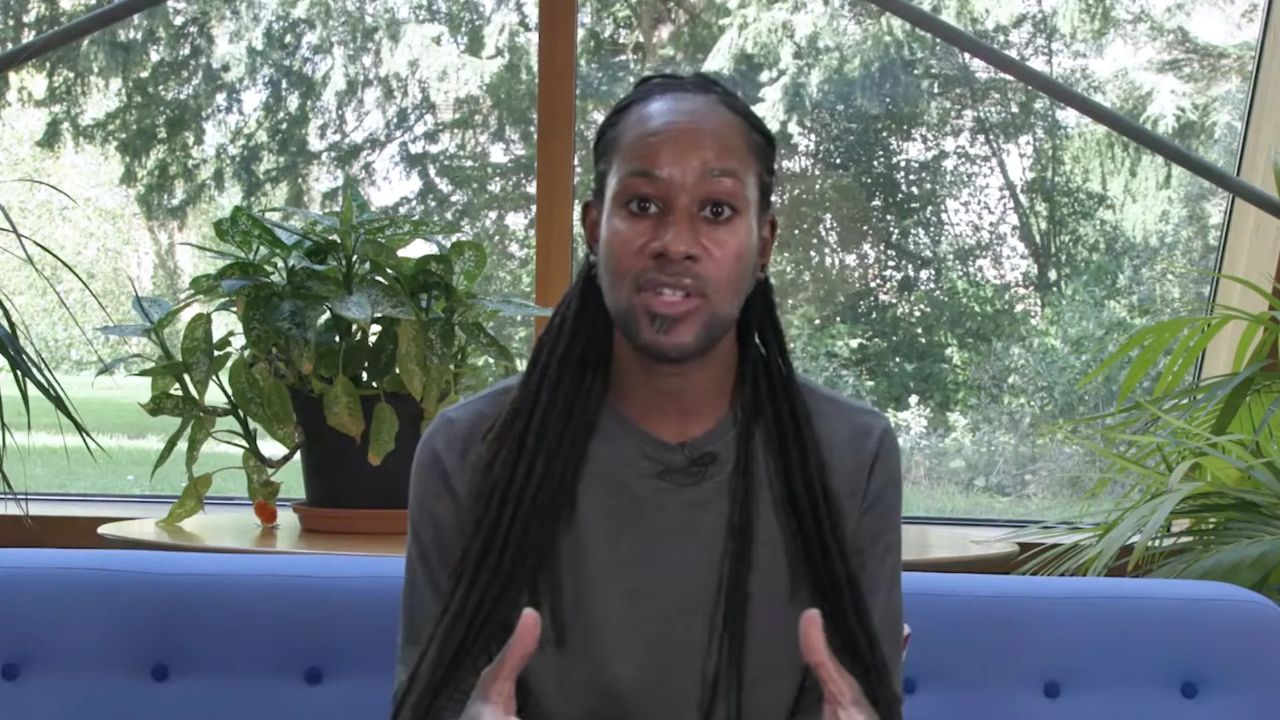
Jason Arday, once celebrated as the University of Cambridge’s youngest Black professor, was found dead at his home in Battersea, south London, on 14 August 2026. Police said a 41-year-old man was pronounced dead at the scene after being found unresponsive; the death was treated as unexpected but not suspicious. His family described him as a gentle man broken by a sustained campaign of abuse and misinformation that began after his high-profile appointment.
Arday had resigned just nine days earlier, on 5 August, after Cambridge announced an investigation into his academic qualifications, honorary appointments, and ongoing complaints of misconduct. His remarkable personal narrative—autism diagnosis, late speech and literacy, extraordinary athletic feats, and rapid academic ascent—had made him a symbol of overcoming adversity. In the weeks before his death, that narrative unravelled under intense public scrutiny.
You Might Like: Rising Australian Golf Star Jessica Bang Dies at 18
The Plagiarism Allegations and Academic Questions
The controversy ignited in late July 2026 when philosopher Nathan Cofnas published side-by-side comparisons showing dozens of passages in Arday’s 2015 PhD thesis that closely matched or replicated text from a 2009 dissertation by Paula Zwozdiak-Myers. Liverpool John Moores University, which awarded the doctorate, had earlier investigated and concluded the similarities likely stemmed from honest error rather than deliberate plagiarism; the PhD stood.
JUST IN: Jason Arday, the youngest-ever black professor at Cambridge who was recently accused of plagiarizing his academic writing, has been found dead.
His death comes after the University of Cambridge launched an investigation into his past claims. pic.twitter.com/8hd0Bubw2u
— Collin Rugg (@CollinRugg) August 14, 2026
Further questions emerged about other papers, including duplicated interview quotes attributed to different participants and corrections quietly issued to some articles. Cambridge, which had initially stood by Arday and referred earlier complaints elsewhere, ultimately launched its own inquiry after receiving new information. Arday denied being a fraud or liar, acknowledging mistakes linked to his autism and learning difficulties while insisting he had always sought to do his best.
Claims of Athletic Feats, Fundraising, and Childhood
Alongside the academic concerns, journalists and researchers examined Jason Arday’s autobiographical statements. He had repeatedly described running 30 marathons in 35 days—some with a fractured leg—and covering 600 miles in six days or 300 miles in three days, claiming these efforts helped raise more than £5 million for charity. Under questioning, he revised the picture, saying he had been part of a larger fundraising group whose members he could not name.
More Read
Evidence of the claimed distances and sums proved scarce. His assertion that he was non-verbal until age 11 and learned to read only as a young adult was also challenged by some former schoolmates who recalled a chatty, joke-cracking child. Other details, including certain visiting professorships and a claimed book publication, were disputed or withdrawn. Arday maintained he was not inventing stories and that no one keeps receipts for every claim in life. His memoir, Great and Unfortunate Things, appeared amid the storm.
Also See: Lawyer Kevin Reddington’s Marriage
Jason Arday’s family said the relentless scrutiny after his Cambridge appointment proved too much. Cambridge’s vice-chancellor expressed deep sadness. The case leaves unresolved questions about institutional checks, the pressures of public narrative, and the human cost when a celebrated story collapses.