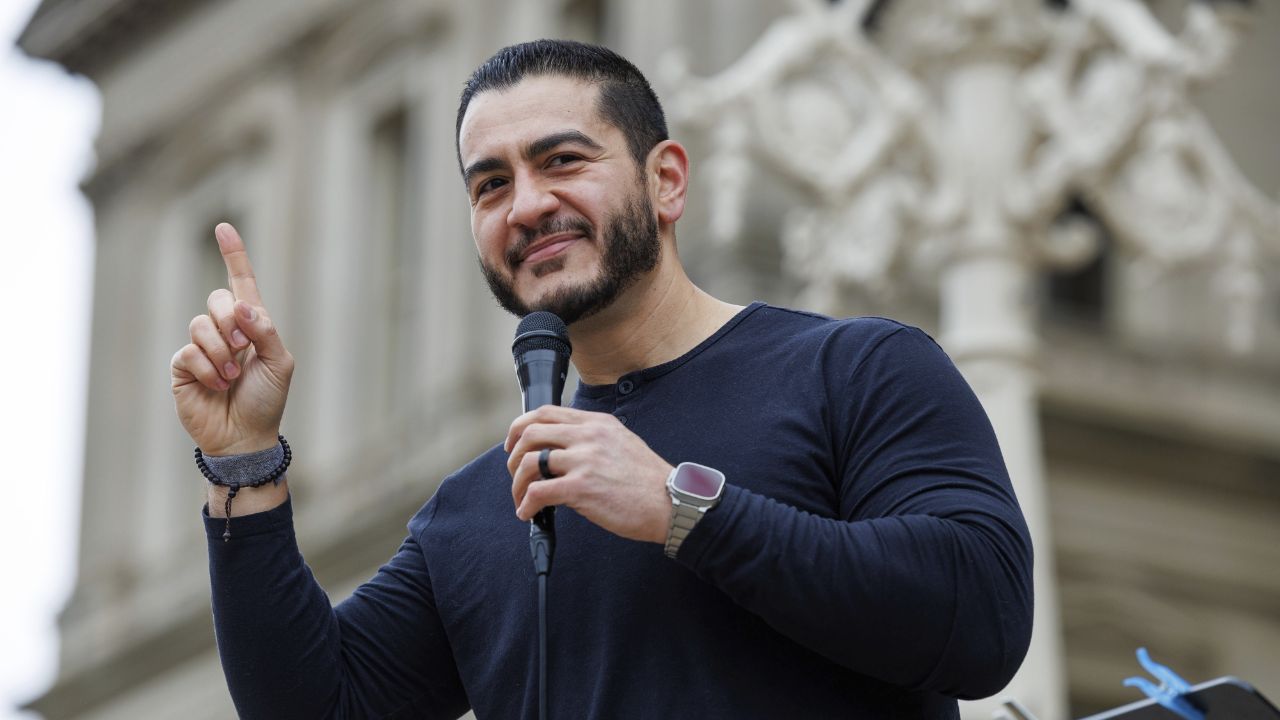
Abdul El-Sayed, the Michigan-born physician, public health expert, and Democratic candidate for U.S. Senate, has long been open about his identity as a practicing Muslim. The son of Egyptian immigrants, he grew up in a devoutly Muslim household in the Detroit area and has consistently identified with Islam throughout his public life, from his earlier run for governor to his current Senate campaign. If elected, he would become the first Muslim member of the U.S. Senate.
Yes, Abdul El-Sayed is Muslim. He has spoken frequently and unapologetically about his faith, describing daily practices such as rising early for the fajr prayer and performing the five daily prayers as a source of discipline and accountability. He met his wife, Sarah, through the Muslim Students’ Association in college, and he has framed his faith not as a political liability but as a core part of who he is, even amid questions about “electability” that often circle back to his name and religion.
You Might Like: Who Is Perez Hilton’s Husband?
Faith Journey and Personal Practice
El-Sayed has described a journey that began in a devout home but included a period of rebellion against organized religion during his youth. He remained curious and questioning, sometimes clashing with Arabic teachers, yet always retained a sense of faith.
In college, distance from family allowed him to rediscover Islam on his own terms. He studied the character of the Prophet Muhammad and found inspiration in values of kindness, compassion for the oppressed, and courage—qualities he also associated with his grandmother. Today he describes himself as a devout Muslim who strives to live according to his interpretation of the faith, while recognizing that individual understanding of Islam can vary widely.
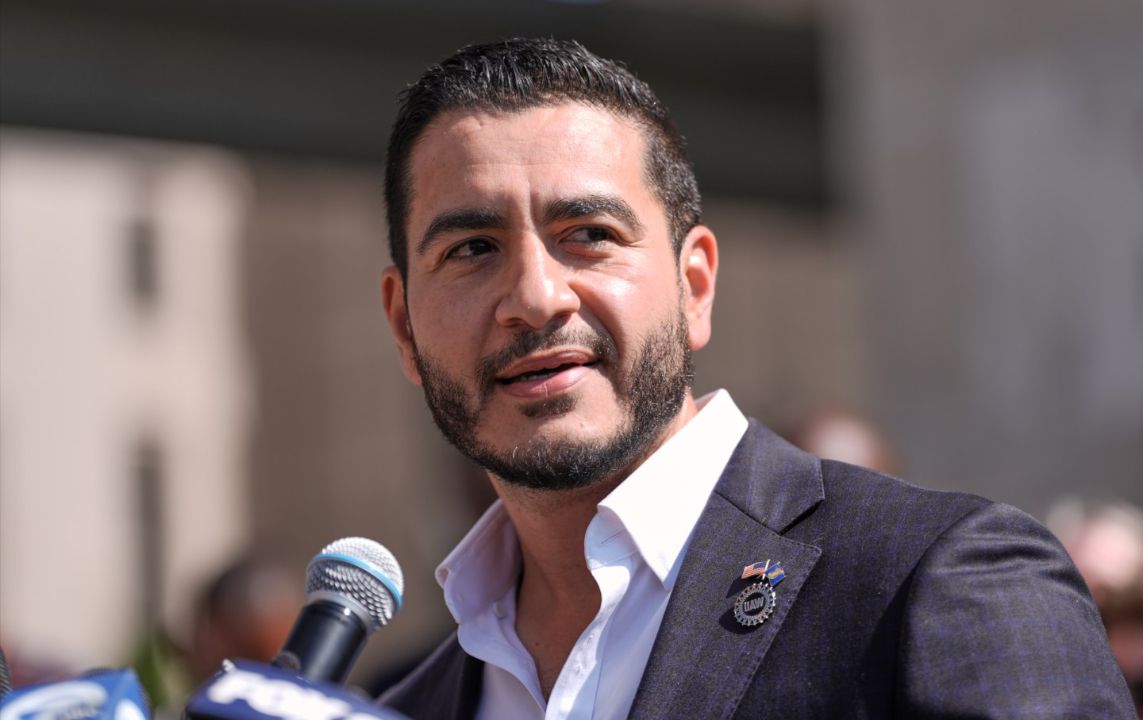
His practice is grounded in routine and humility. He has spoken of washing for morning prayer and using the discipline of five daily prayers to remember accountability to his beliefs, his family, the people he serves, and a better future. Faith, for him, is less about rigid ritual alone and more about the moral direction it provides: a belief in one greater entity, a sense of personal impermanence, and a duty to build a more just and equitable world.
How Beliefs Shape His Public Views
El-Sayed’s Muslim faith informs his progressive politics without, in his view, conflicting with American constitutional principles. He strongly defends the separation of church and state, arguing that as a member of a small religious minority he depends on it to practice freely. He has said he wants the same right for everyone—whether they pray five times a day, attend church, or hold no religious belief—and that he would never impose his faith on others.
More Read
His interpretation emphasizes service, mercy, and responsibility toward the vulnerable, which he links to positions such as expanding healthcare access and addressing economic inequality. He has noted that many faith traditions, including the Abrahamic ones, place greater moral weight on the wealthy to act justly.
Also See: Perez Hilton’s Darkest Year
He rejects notions that his religion somehow threatens democracy or seeks to impose religious law. Instead, he presents his background as an asset that fosters empathy and resilience. Having experienced scrutiny and discrimination as a Muslim and Arab American, he says the same faith that exposed him to higher standards also gave him the discipline to withstand them. In interfaith settings and campaign appearances, he stresses shared values of justice and the importance of protecting religious freedom for all communities. His family itself reflects that diversity, including Christians, Muslims, and atheists who gather around the same table.
In short, Abdul El-Sayed’s beliefs center on a personal, practiced Islam that prioritizes accountability, compassion, and public service while remaining firmly committed to pluralistic American ideals.