
Michael Jackson, the King of Pop, remains one of the most iconic and enigmatic figures in music history. His groundbreaking artistry, from Thriller to Bad, reshaped popular culture and set records that still stand. Yet behind the glittering gloves, the moonwalk, and the Neverland Ranch lay a deeply complex family foundation that both propelled him to superstardom and cast long shadows over his life. Understanding his parents, siblings, and ethnic roots is not merely a exercise in biography—it is essential to grasping the man behind the legend.
Born on August 29, 1958, in Gary, Indiana, Michael Joseph Jackson was the eighth of ten children in the Jackson household. His rise began as the lead singer of the Jackson 5, a group molded by his father’s relentless ambition. But the family’s story is inseparable from the Great Migration, when millions of African Americans left the rural South for industrial cities in search of opportunity. The Jacksons’ ethnicity—a rich blend of African American heritage with threads of Native American and European ancestry—grounded their soulful, gospel-infused sound and connected them to a broader cultural legacy that Michael would later channel into global anthems of unity and healing.
You Might Like: Patton Oswalt’s First Wife, Michelle McNamara: The Cause of Her Tragic Death
The Patriarch and Matriarch: Joseph and Katherine Jackson
Joseph Walter Jackson, born in 1928 in Fountain Hill, Arkansas, was a former boxer and steel mill worker who turned his shattered musical dreams into a managerial obsession. Strict, demanding, and often controversial, Joe recognized raw talent early and rehearsed his children with military discipline—sometimes crossing into cruelty, as Michael Jackson later recounted.
Katherine Esther Scruse, born in 1930 in Barbour County, Alabama, provided the emotional counterbalance. A devout Jehovah’s Witness, she instilled in Michael a sense of spirituality and gentleness that contrasted sharply with Joe’s tough love.
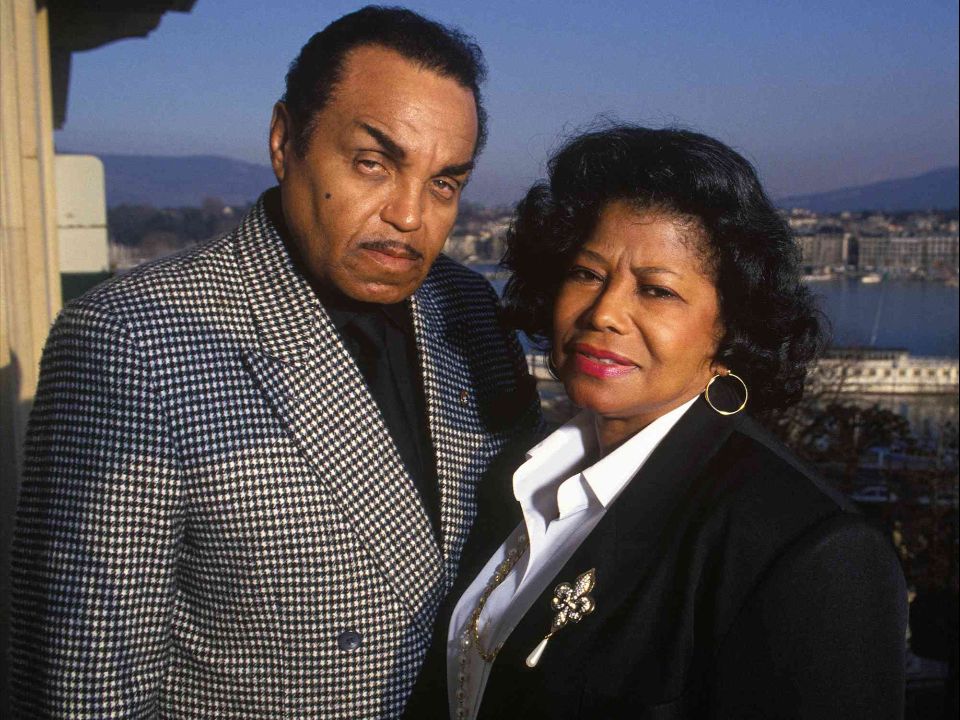
Katherine’s own mixed-race background—including African American, Cherokee, and white European lineage—enriched the family’s ethnic tapestry. While Joe focused on stardom and financial gain, Katherine sheltered the children from the harshest aspects of show business, often mediating conflicts. Their fractured yet functional partnership, despite infidelities and legal separations, created the launchpad for a musical dynasty unmatched in American pop culture.
The Jackson Siblings and Family Legacy
Beyond Michael Jackson, the household brimmed with extraordinary talent. The surviving siblings—Maureen “Rebbie,” Sigmund “Jackie,” Toriano “Tito,” Jermaine, La Toya, Marlon, Steven “Randy,” and Janet Jackson—each carved their own paths. The Jackson 5, originally featuring Jackie, Tito, Jermaine, Marlon, and Michael, exploded onto the charts with hits like “I Want You Back.” Later, Randy joined, and Janet became a pop phenomenon in her own right, second only to Michael in commercial impact.
More Read
The siblings shared not only blood but also the unique burden of growing up under a domineering father and relentless public scrutiny. Michael’s close bond with Janet was especially evident; she mourned him deeply and defended his legacy fiercely. Yet rivalries emerged—Jermaine’s decision to stay with Motown while the others left for Epic, La Toya’s estrangement during the 1990s, and financial disputes after Michael’s death.
Also See: Darrell Sheets Cause of Death Revealed: What Really Happened to the Storage Wars Star
Despite these fractures, the Jacksons remain a testament to family-driven artistry. Their African American heritage, rooted in Southern gospel, blues, and vaudeville, echoed through every performance, reminding the world that behind the King of Pop stood a family of steel-willed, soulful survivors from Gary, Indiana.