
Afrika Bambaataa, born Lance Taylor, died on April 9, 2026, at the age of 68 from complications of prostate cancer in Pennsylvania. Once hailed as one of the architects of hip-hop culture, he transformed the Bronx party scene in the 1970s with electrifying DJ sets that blended funk, rock, and electronic beats. His 1982 hit Planet Rock became a global anthem, introducing the world to electro-funk and helping launch an entire genre. Yet his death arrives amid a cloud of unresolved controversy, as multiple men have accused him of s**ually abusing them when they were underage boys connected to his influential organization.
For decades, Bambaataa stood as a symbol of empowerment through the Universal Zulu Nation, which he founded to steer inner-city youth away from gang violence toward unity and knowledge. Supporters praised his community work and musical innovations that shaped hip-hop’s early sound. However, starting in 2016, disturbing allegations emerged that painted a far darker picture of the man behind the legend, forcing a reckoning that followed him until his final days and now complicates how his contributions will be remembered.
You Might Like: Did Michael J. Fox Die? What Really Happened in 2026
The Accusations Surface
The public firestorm ignited in April 2016 when Ronald Savage, a former Bronx activist and music industry figure, came forward with claims that Afrika Bambaataa had m**ested him in 1980. Savage was just 15 at the time, and he described repeated abuse by the then-23-year-old DJ whom he had looked up to as a mentor within the Zulu Nation. Soon after, three other men stepped forward with similar stories, alleging incidents dating back to the late 1970s. Their accounts shared common threads: Bambaataa allegedly used his status and the allure of hip-hop parties to groom and exploit vulnerable young boys.
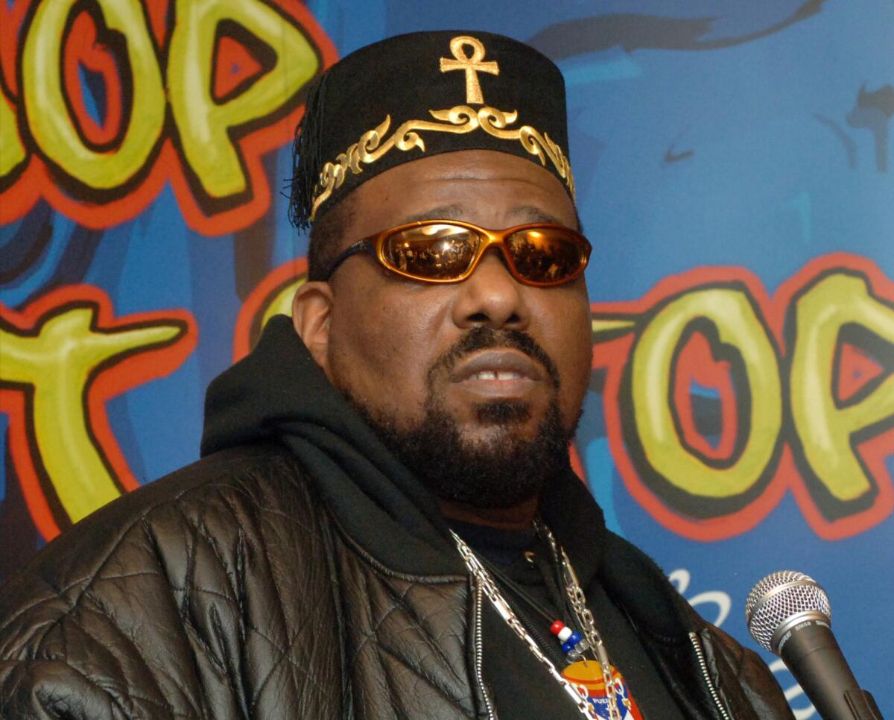
Bambaataa vehemently denied all the claims, calling them false and motivated by personal grudges. Despite his protests, the Universal Zulu Nation took decisive action. In May 2016, he resigned as the group’s leader, and the organization issued a public apology to the accusers while restructuring to distance itself from anyone linked to the scandal. The controversy spread quickly through hip-hop circles, with some longtime supporters defending him and others expressing deep disappointment. For many in the community, the revelations shattered the image of a man who had once preached peace and positivity.
Legal Battles and a Tarnished Legacy
The allegations did not fade with time. In 2021, an anonymous plaintiff filed a civil lawsuit accusing Afrika Bambaataa of s**ually abusing and trafficking him over four years, beginning when the boy was only 12 in 1991. Additional claims surfaced, including one from French rapper Solo, who said he was assaulted at age 16 or 17 during a meeting arranged by Bambaataa. In May 2025, a New York court entered a default judgment against him in the John Doe case after he failed to appear or respond, effectively ruling in the accuser’s favor without a trial.
Also See: Michael Patrick: Remembering the Game of Thrones Actor Taken Too Soon
Throughout these years, Bambaataa maintained his innocence and largely stayed out of the spotlight. His musical influence endured—Planet Rock continued to be sampled and celebrated—but public tributes grew complicated. Even in death, reactions have been mixed, with some praising his artistic breakthroughs while others, including accuser Ronald Savage’s supporters, have highlighted the harm described in the lawsuits. The Zulu Nation’s earlier apology underscored a broader institutional acknowledgment of the pain caused under its watch.
More Read
Afrika Bambaataa’s story reflects the complicated intersection of cultural innovation and personal accountability. As hip-hop reflects on its roots, his pioneering beats remain part of the soundtrack, yet the serious allegations ensure his legacy will forever carry both celebration and caution. The controversy reminds fans and historians alike that icons can cast long shadows, and the full truth of any life often emerges only through many voices.