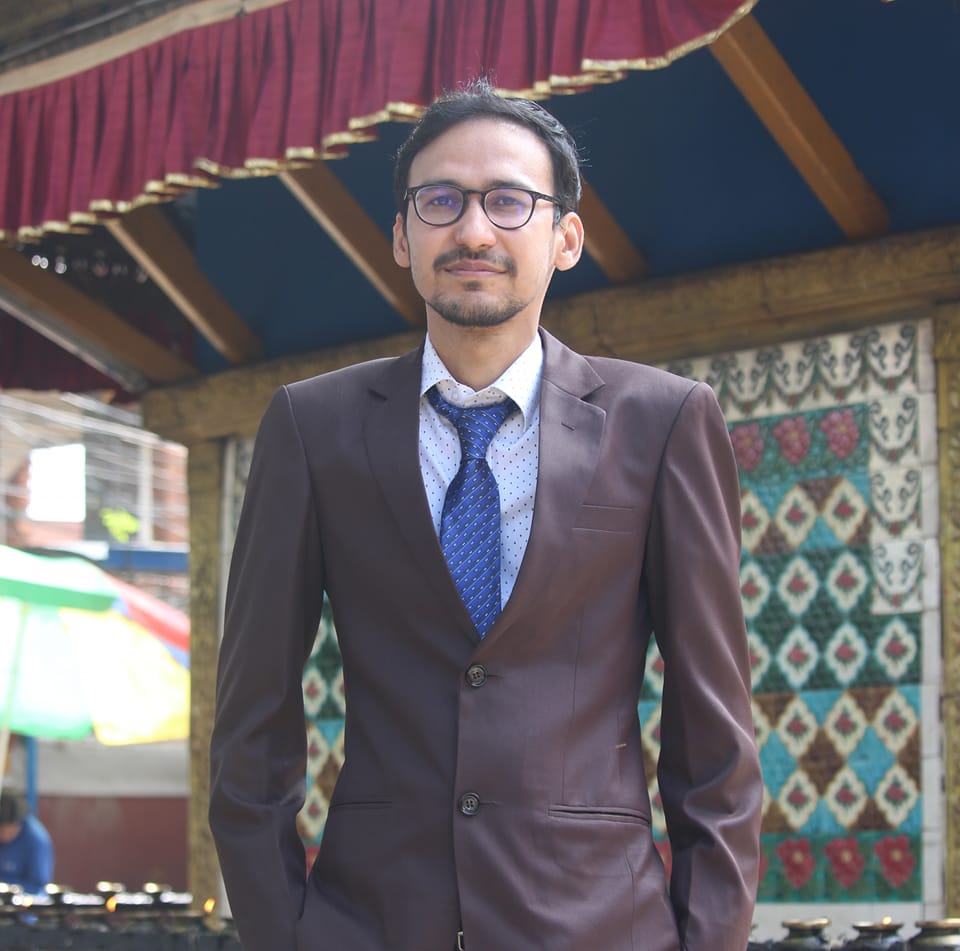
Zohran Mamdani‘s ascent to become the 111th mayor of New York City marks a dramatic political shift for the nation’s largest metropolis. The 34-year-old democratic socialist, a state assemblyman largely unknown to many just a year ago, has ridden a wave of voter enthusiasm for his bold vision to tackle the city’s crippling cost of living. His victory over established figures like former Governor Andrew Cuomo signals a clear demand from residents for a new approach to governing, one that prioritizes affordability and a robust expansion of public services. Mamdani, the city’s first Muslim mayor and firstborn in Africa, now faces the monumental task of translating his ambitious campaign promises into tangible reality for over 8 million New Yorkers.
At the heart of Mamdani’s campaign was a simple, powerful idea: life in New York doesn’t have to be this hard. He argued that in the richest city in the richest country in history, the government should be a force for making life more manageable, not less. His platform, funded by proposed taxes on the wealthy and big corporations, directly targets the biggest expenses for working-class families—housing, transportation, childcare, and food. From freezing rents to launching city-run grocery stores, his policies are not modest adjustments but a comprehensive plan to reshape the urban experience, challenging decades of conventional wisdom about how the city should be run.
You Might Like: The Authentic Life of Jonathan Bailey: An Openly Gay Actor
A Blueprint for a More Affordable New York
Zohran Mamdani’s strategy to lower the cost of living is built on four key pillars that form the core of his affordability agenda.
On the housing front, Mamdani has pledged to freeze rents for all stabilized apartments immediately. With a majority of New Yorkers being tenants and over two million living in rent-stabilized homes, this policy could provide direct relief to a huge portion of the city. He plans to achieve this by appointing like-minded members to the mayor-controlled Rent Guidelines Board, a tactic with precedent under former Mayor Bill de Blasio. Beyond the freeze, his administration aims to aggressively crack down on negligent landlords and triple the city’s production of permanently affordable, union-built housing, with a goal of 200,000 new units over the next decade.
When it comes to getting around, Mamdani is betting on a revolution for the city’s buses. He promises to make all city buses free and faster by expanding dedicated bus lanes. This proposal is an expansion of his own successful pilot program in the state legislature that made five bus lines free for a year, which led to a 30% increase in ridership and a significant drop in assaults on drivers. While the plan would cost an estimated $700-800 million annually in lost fare revenue, his campaign argues the economic benefits from increased mobility and saved time would far outweigh the costs.
Zohran Mamdani has been elected as New York City’s first Muslim mayor. He pledged to challenge the policies of President Donald Trump. pic.twitter.com/hKMyEkwf9M
— Al Jazeera English (@AJEnglish) November 5, 2025
More Read
Perhaps the most ambitious and closely watched of his proposals is the creation of a universal, no-cost childcare program for every child from six weeks to five years old. With childcare rivaling rent as a massive burden and driving families out of the city, Mamdani sees this as critical to New York’s future. The program, estimated to cost around $6 billion a year, would also raise wages for childcare workers to be on par with public school teachers, addressing poverty-level pay in the sector.
In a move that has drawn both intrigue and criticism, Zohran Mamdani plans to launch a pilot program for city-owned grocery stores in each borough. These stores, freed from the pressures of rent and property taxes, would focus on keeping prices low rather than turning a profit, operating as a “public option for produce.” The goal is to combat soaring food costs and address food deserts, with an estimated annual cost of $60 million for the initial five stores.
The Road Ahead and the Question of Funding
The sheer scale of Zohran Mamdani’s vision inevitably raises the question of how it will be paid for. His answer is a straightforward promise to tax big corporations and the wealthiest New Yorkers. His revenue plan calls for raising the corporate tax rate to match New Jersey’s 11.5% and imposing a 2% tax on individuals earning over $1 million annually, which he says would generate $9 billion. He believes this targeted approach can fund his agenda without burdening the middle class.
However, the path forward is filled with political hurdles. The mayor of New York cannot unilaterally raise these taxes; he must secure approval from the state legislature and a skeptical Governor Kathy Hochul in Albany. Governor Hochul, while endorsing Mamdani, has explicitly stated her opposition to new income taxes, setting the stage for complex negotiations. Furthermore, critics from the business community and his political opponents warn that higher taxes could drive wealthy residents and corporations out of the city, potentially harming the economy.
Also See: The Inside Story of the Dick Cheney Hunting Accident
Zohran Mamdani’s mayoralty represents a grand experiment for New York City. He has successfully channeled the frustrations of a generation struggling with affordability into a powerful electoral mandate. Now, the city and the nation will watch to see if his socialist-inspired policies can be implemented, funded, and ultimately succeed in making New York a more livable city for the many, not just the few. The success or failure of this agenda will depend on his ability to navigate the tough political terrain ahead and deliver on the promises that electrified his supporters.